

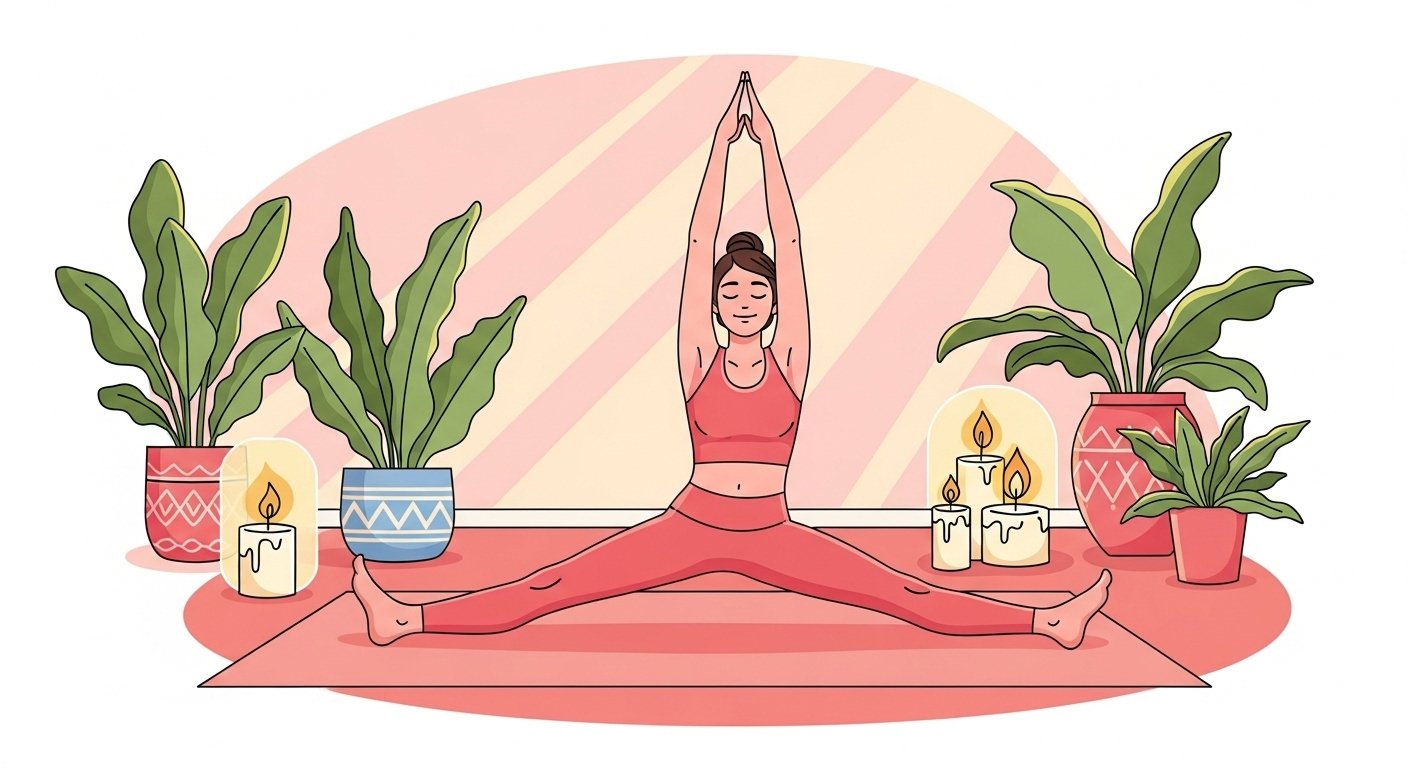
Yoga is more than a fitness trend it’s a timeless practice that builds strength, flexibility, and balance from the inside out. Whether you’re a beginner looking to loosen tight muscles or someone aiming to tone and strengthen your body, yoga for flexibility and strength can transform how you move and feel every day.
This guide explores the best yoga poses for flexibility, an easy-to-follow routine for beginners, and how to create a consistent daily practice that improves your body’s mobility, posture, and endurance.
🌿 Why Flexibility and Strength Matter
Flexibility and strength are deeply connected. When muscles are flexible, they can move through their full range of motion—reducing stiffness, preventing injury, and improving posture. Strength complements flexibility by stabilizing your joints and improving balance.
Practicing yoga for flexibility and strength together helps:
- Release muscle tension in the spine, hips, and legs
- Enhance mobility and balance
- Tone and sculpt your arms, core, and back
- Reduce stress and increase body awareness
Even just 10 minutes of yoga daily can make a noticeable difference in your flexibility and overall strength.
🪷 Best Yoga Poses for Flexibility and Strength
Below are some of the most effective yoga poses for flexibility and strength. These moves gently stretch tight muscles while engaging stabilizing groups to build balanced power.
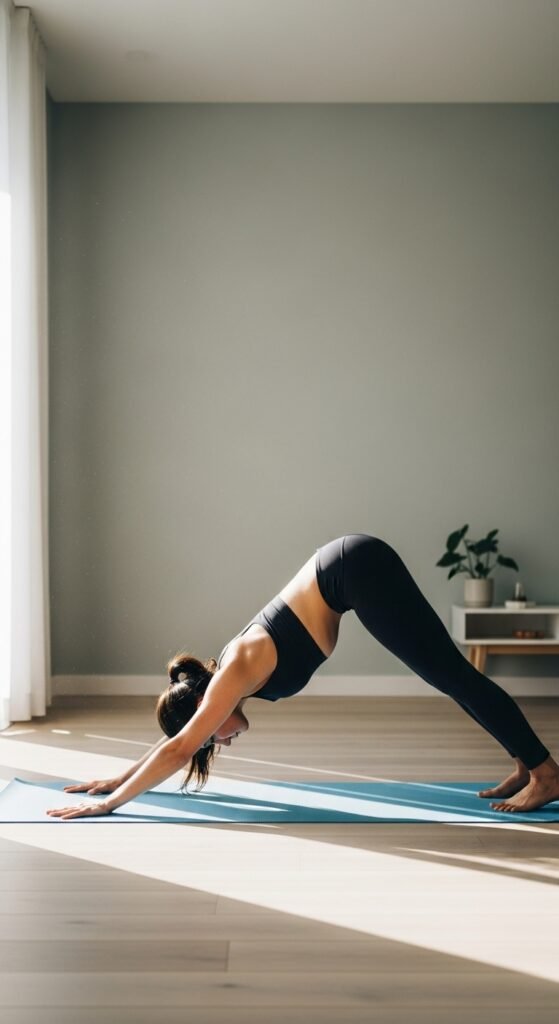
1. Downward-Facing Dog (Adho Mukha Svanasana)
One of the most recognized yoga poses, Downward Dog stretches your hamstrings, calves, and shoulders while strengthening your arms and core.
How to do it:
- Begin on all fours.
- Lift your hips toward the ceiling, straightening your legs.
- Press your hands firmly into the mat and relax your neck.
- Hold for 30–60 seconds while breathing deeply.
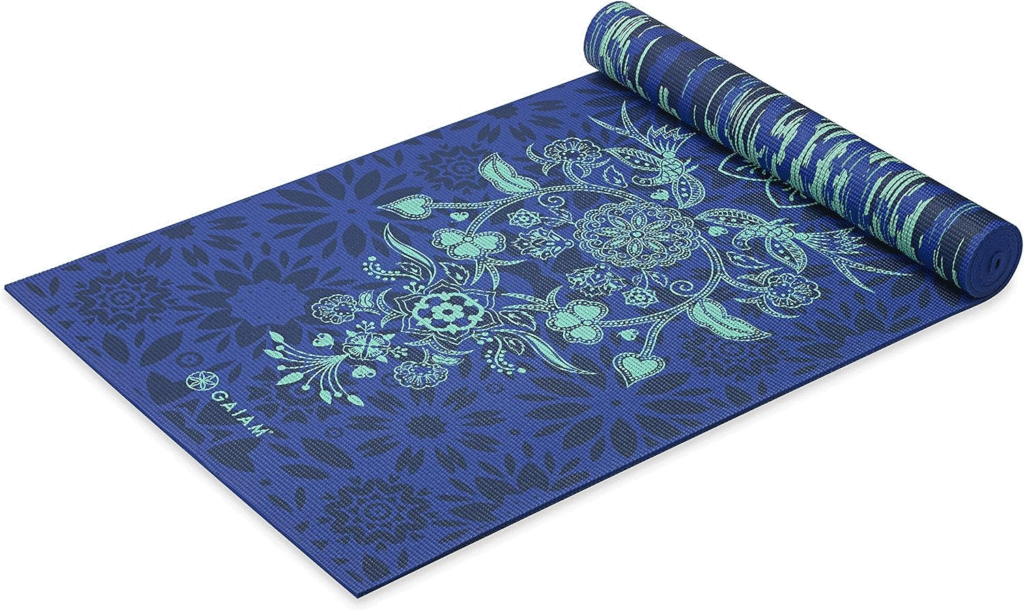
🛍️ Product Tip: Using a high-grip yoga mat (like the Gaiam Premium Print Yoga Mat – available on Amazon) can make poses like this safer and more comfortable, especially for beginners.
2. Warrior II (Virabhadrasana II)
A powerful standing pose that improves leg strength, stability, and focus while opening the hips and chest.
How to do it:
- Step one foot forward and bend your front knee.
- Keep your back leg straight and strong.
- Stretch your arms out parallel to the floor and gaze over your front hand.
Warrior II is excellent for building endurance and toning your lower body, making it a must-have in any routine for strength.
3. Triangle Pose (Trikonasana)
Triangle Pose enhances spinal flexibility, stretches the legs and hips, and strengthens the core.
How to do it:
- From Warrior II, straighten your front leg.
- Reach your front hand toward your shin or the floor while the other arm extends up.
- Keep your chest open and hold for 5–6 breaths.
This pose increases mobility in the hips and back, making it ideal for improving posture and balance.
4. Bridge Pose (Setu Bandhasana)
This gentle backbend strengthens your glutes, hamstrings, and lower back while opening the chest and shoulders.
How to do it:
- Lie flat on your back with knees bent.
- Lift your hips toward the ceiling while pressing into your feet.
- Hold for 30 seconds, then slowly lower down.
Bridge Pose is excellent for those who spend long hours sitting—it reactivates weak glutes and restores spine mobility.
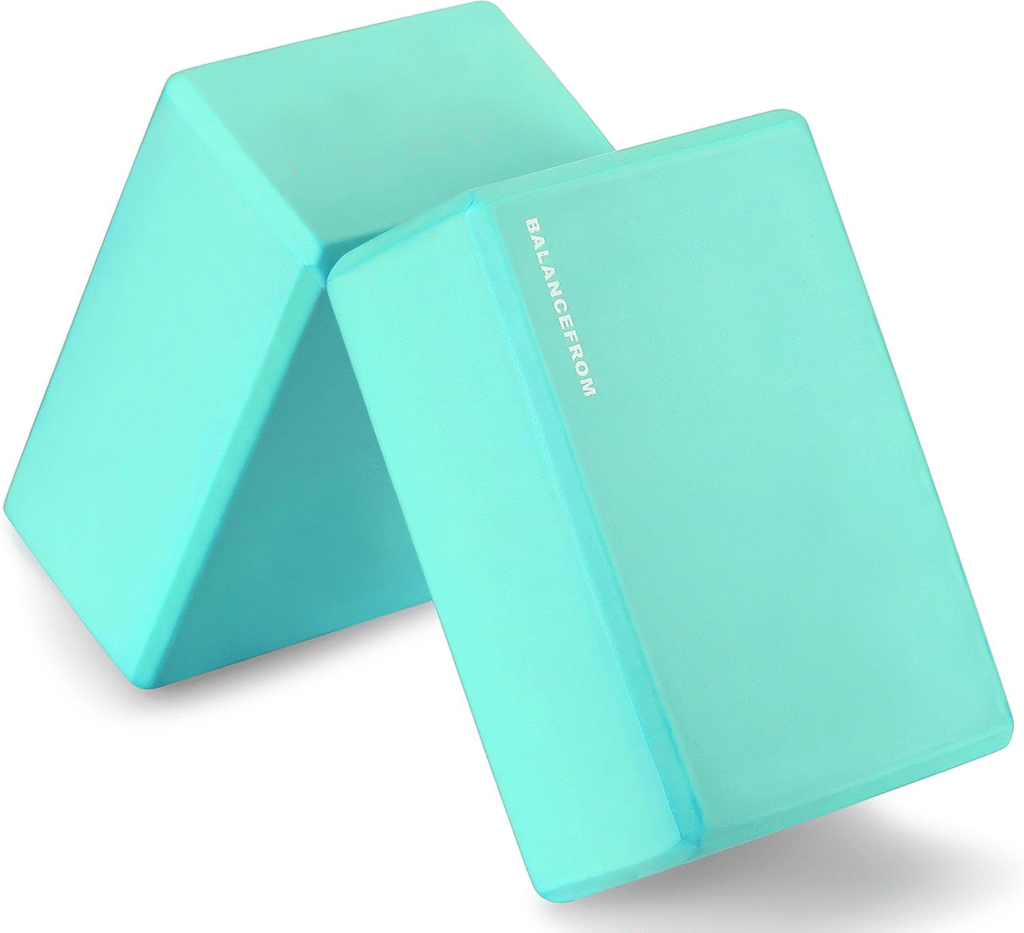
🛍️ Affiliate Tip: If back support is an issue, consider using a yoga block (like the BalanceFrom Yoga Block Set – available on Amazon) under your sacrum. It provides stability and comfort while you hold the pose.
5. Cat-Cow Stretch (Marjaryasana-Bitilasana)
A gentle yoga pose for beginners, Cat-Cow helps improve spinal flexibility and relieve back tension.
How to do it:
- Start on all fours.
- Inhale, arch your spine and look up (Cow).
- Exhale, round your spine and tuck your chin (Cat).
- Repeat for 1–2 minutes.
This movement increases circulation along the spine and helps prepare your body for deeper poses.
6. Chair Pose (Utkatasana)
Chair Pose might look simple, but it’s a powerhouse move for building strength in your thighs, glutes, and core.
How to do it:
- Stand tall with feet together.
- Bend your knees and lower your hips as if sitting on a chair.
- Keep your arms lifted and chest open.
Hold for 20–30 seconds. You’ll feel your legs working instantly—perfect for a full-body yoga session that enhances both strength and stability.
🌞 Simple Morning Yoga Routine for Flexibility
Morning is the best time to stretch your body and set a calm, focused tone for the day.
Try this 10-minute morning routine for flexibility:
- Cat-Cow Stretch – 1 minute
- Downward Dog – 1 minute
- Low Lunge Pose – 1 minute each side
- Warrior II – 1 minute each side
- Triangle Pose – 1 minute each side
- Bridge Pose – 1 minute
- Seated Forward Fold – 1 minute
End your routine with deep breathing in Child’s Pose for a gentle cooldown.
Doing this short sequence daily builds mobility, balance, and energy—a great way to start the day feeling refreshed and strong.
🌙 Evening Yoga for Strength and Recovery
Evening sessions can focus more on deep stretching and relaxation.
A nighttime routine for flexibility and strength might include:
- Supine Twist – releases back tension
- Pigeon Pose – opens tight hips
- Bridge Pose with a Block – supports spine alignment
- Legs-Up-the-Wall Pose – improves circulation
This helps calm the nervous system and reduces muscle soreness from daily activities or workouts.
🧩 Yoga for Beginners: How to Get Started
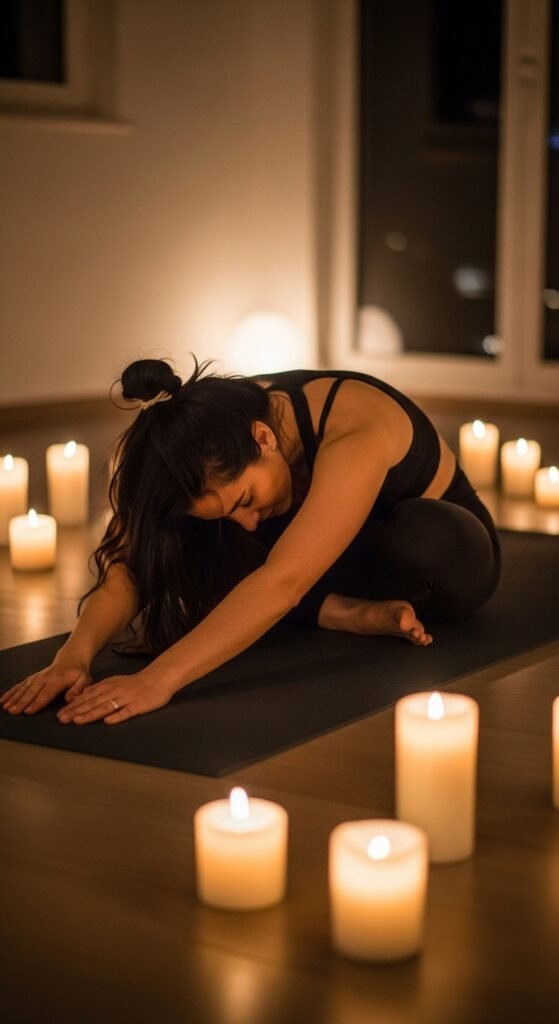
If you’re new to yoga, it’s okay to start slow. You don’t need to be flexible to begin—yoga helps you become flexible.
Here’s how beginners can make progress:
- Start small: Try short, guided sessions (10–15 minutes).
- Use props: Blocks, straps, and bolsters help support your form.
- Be consistent: Even 3–4 sessions per week can bring results.
- Focus on breath: Deep breathing enhances focus and balance.
It’s also wise to watch beginner-friendly tutorials or take online classes to learn correct alignment and avoid strain.
💪 The Mind-Body Connection
Practicing yoga for flexibility and strength doesn’t just change your body—it changes your mindset.
Each pose teaches patience, mindfulness, and awareness. You’ll notice better concentration, calmer emotions, and more energy throughout the day.
Over time, yoga becomes less about perfecting poses and more about connecting with your body’s rhythm and limits.
🧘 Final Thoughts
Whether your goal is to touch your toes, improve balance, or simply feel stronger, yoga for flexibility and strength is the perfect path.
Start with simple yoga poses for beginners, follow a consistent routine for flexibility, and incorporate tools like mats and blocks to enhance your experience.
With steady practice, you’ll not only move with greater ease—you’ll also gain confidence, calmness, and a deeper sense of control over your body.