

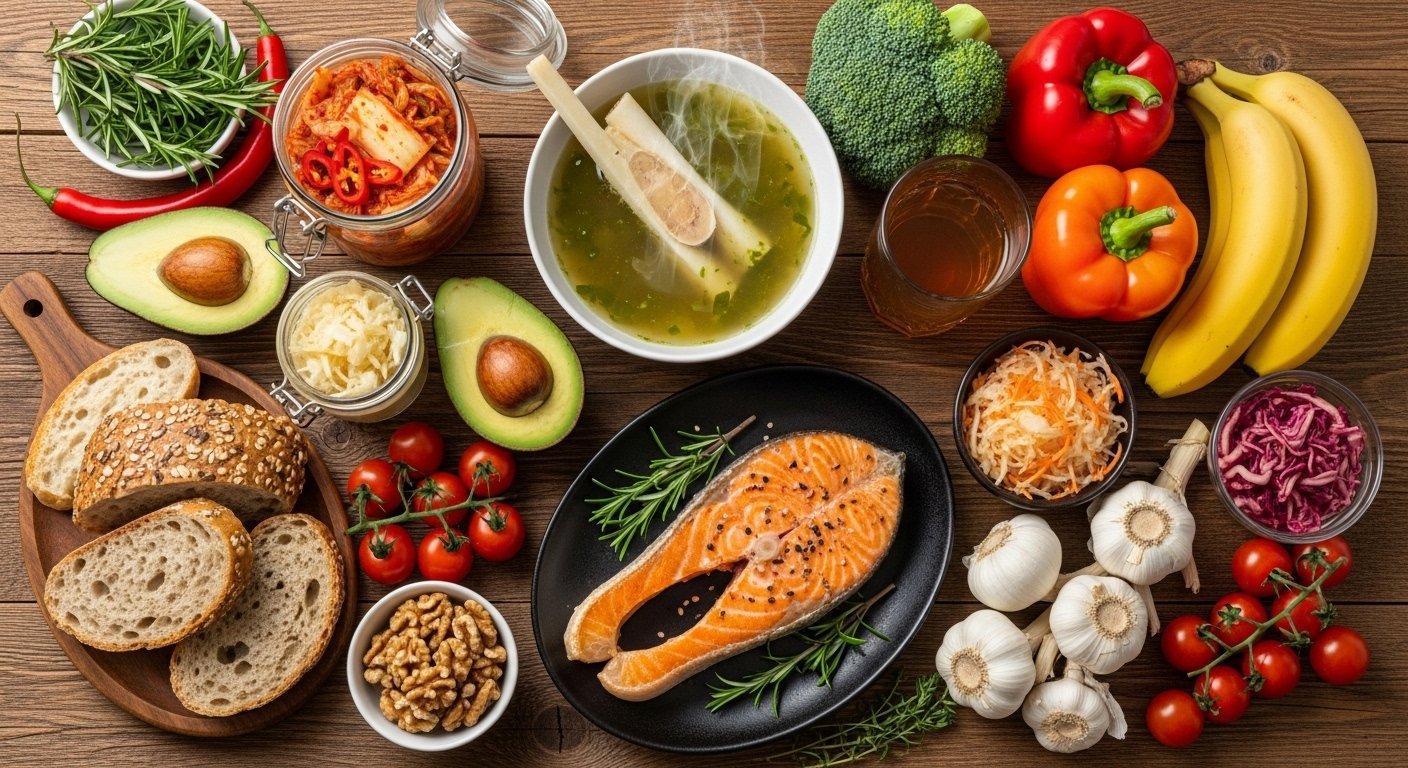
Gut health plays a vital role in overall well-being. From digestion and immunity to mood regulation, a balanced gut can impact many aspects of life. Nutrition experts and dietitians consistently highlight that what we eat profoundly affects gut health. Based on research-backed insights and practical experience, here are five foods that can help repair and strengthen your gut naturally.
1. Fermented Foods
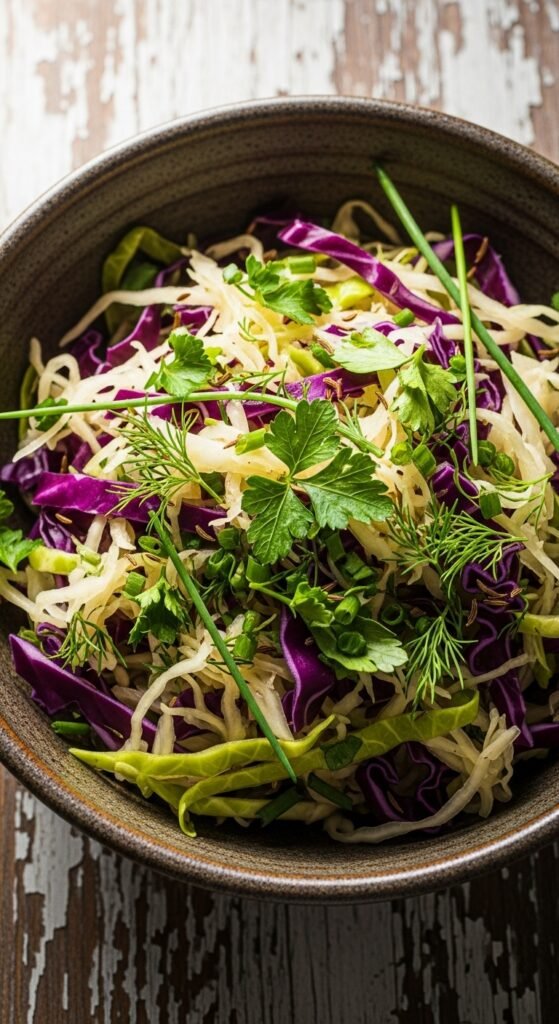
Fermented foods like kimchi, sauerkraut, kefir, and yogurt are rich in probiotics—beneficial bacteria that restore gut balance. Studies show that regular intake of fermented foods can improve digestion, reduce bloating, and enhance nutrient absorption. Those who have incorporated these foods into daily meals often notice improvements in digestion and energy levels within weeks.
2. Bone Broth
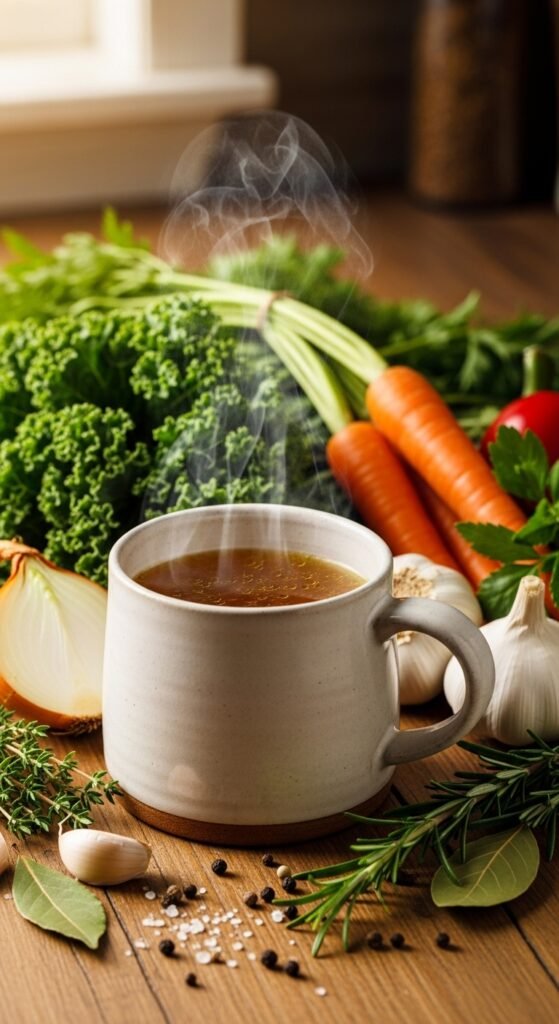
Bone broth has long been valued for its gut-healing properties. It contains collagen, gelatin, and amino acids that help repair the intestinal lining and reduce inflammation. Nutrition specialists often recommend it for people with leaky gut or chronic digestive issues. Many individuals report that drinking a warm cup daily not only supports gut health but also feels comforting and nourishing.
3. High-Fiber Vegetables
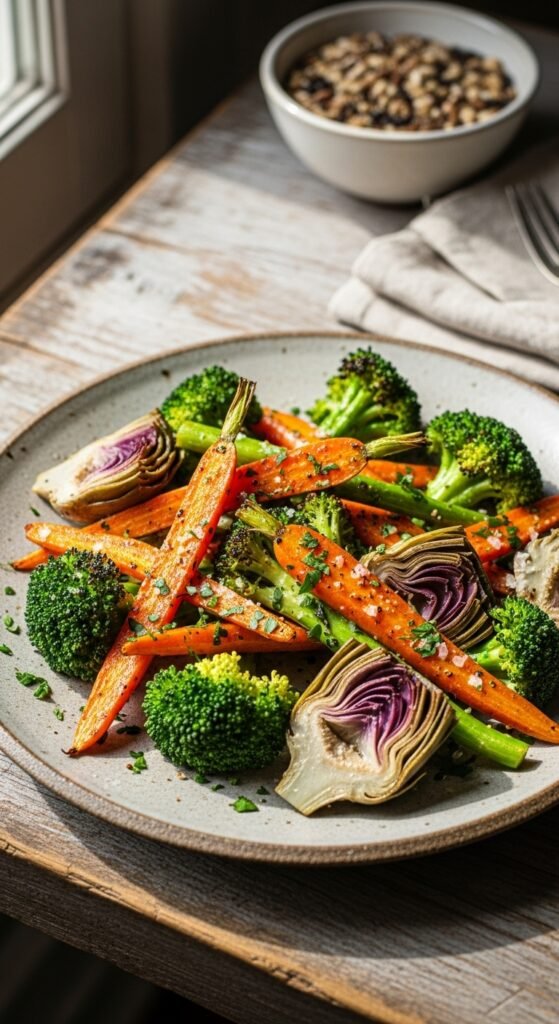
Vegetables such as broccoli, carrots, artichokes, and leafy greens are packed with fiber, which feeds the beneficial bacteria in the gut. Fiber promotes regular bowel movements, prevents constipation, and supports a diverse gut microbiome. Experts emphasize a colorful variety, as different fibers nourish different bacterial strains, creating a resilient and healthy digestive system.
4. Prebiotic Foods
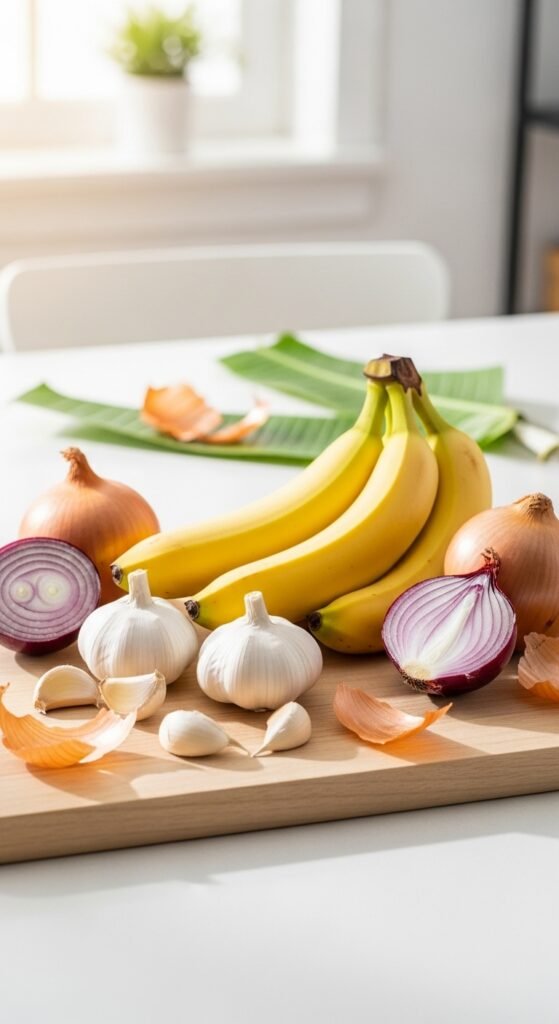
Prebiotics are non-digestible fibers that act as food for probiotics. Foods like garlic, onions, asparagus, and bananas are excellent sources. Research indicates that prebiotic-rich diets encourage the growth of healthy bacteria, improving digestion and enhancing immune function. People who consciously include prebiotic foods in their meals often report smoother digestion and reduced gut discomfort.
5. Fatty Fish
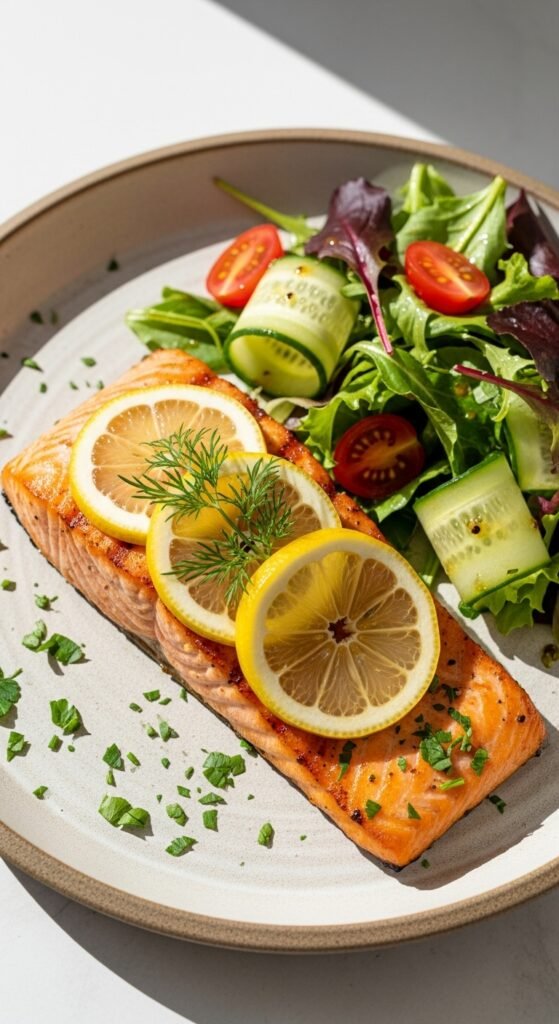
Salmon, sardines, and mackerel provide omega-3 fatty acids, which have anti-inflammatory effects beneficial for gut health. Studies highlight that omega-3s can help reduce inflammation in the digestive tract and support a balanced gut microbiome. Incorporating fatty fish a few times a week is widely recommended by nutritionists as part of a gut-friendly diet.
Conclusion
Repairing and maintaining gut health is a long-term process. Combining these foods with healthy lifestyle habits—adequate hydration, stress management, quality sleep, and moderate exercise—creates the most supportive environment for a thriving gut. Following these tips consistently can lead to noticeable improvements in digestion, immunity, and overall vitality.