


Before diving into remedies, it’s important to understand what a cough is and when simple home strategies may or may not suffice.
A cough is a reflex meant to clear irritants, mucus, or pathogens from the airways. Harvard Health+1 In many adults, coughs stem from viruses, upper respiratory infections, postnasal drip, or irritants. If the cough persists beyond 8 weeks, is accompanied by blood, weight loss, or severe breathlessness, medical evaluation is crucial. Cleveland Clinic+1
Many over-the-counter cough medicines are of limited benefit; experts caution they may not outperform simple home remedies in many cases. Harvard Health+1 This makes safe, evidence-based natural remedies all the more attractive for adults seeking relief especially for symptoms like mucus, nighttime cough, or sore throat.
The following sections explore cough remedies for adults across different categories, with practical tips and honest product suggestions.
1. General Principles for Fast Relief
Before going into specific remedies for mucus, night cough, etc., here are some general tips that help almost always:
- Stay hydrated. Fluids help thin mucus, making it easier to expel, and soothe dry throat walls. Mayo Clinic+1
- Warm steam or humid air. A humidifier or steam inhalation helps loosen mucus and reduce irritation. Mayo Clinic+1
- Rest and avoid irritants. Smoking, strong perfumes, dust, or cold dry air often worsen cough.
- Saltwater gargles. Mix half a teaspoon of salt in warm water and gargle gently; repeat several times daily for sore throat or dry cough.
- Use expectorants sparingly. Ingredients like guaifenesin thin mucus in some cough syrups, but their benefit is modest. Harvard Health+1
These tips form the foundation; the remedies below build on them, tailored to your cough type (dry, mucus, night, etc.).
2. Cough Remedies for Adults with Mucus (Wet Cough)
When a cough produces phlegm or mucus, the goal is to help your body expel it rather than suppress it entirely. Here are effective strategies:
- Warm fluids & herbal teas. Teas can provide warmth, hydration, and soothing effects. Some herbal teas—like peppermint, thyme, or ginger tea—are believed to act as natural expectorants. Verywell Health+1
- Honey (in warm water or tea). Honey has been shown in studies to outperform “usual care” in suppressing cough associated with upper respiratory infections. Medical News Today
- Herbal expectorants like ivy leaf or thyme. These may help thin mucus, though the clinical evidence is mixed. Healthline
- Steam inhalation or humidifiers. Breathing moist air loosens mucus in the airways, making it easier to cough it up.
- Gentle chest percussion or positioning. For example, leaning forward and gently tapping your chest can help mobilize mucus (especially for those with chronic respiratory conditions).
One must be cautious: if mucus is discolored (green, rusty), or if you have fever, shortness of breath, or chest pain, medical care is essential.
3. Fast Relief & Nighttime Cough Remedies for Adults

When a cough strikes hard especially at night it can be exhausting. Here are some remedies geared toward faster relief and better rest:
Honey + Warm Tea
A classic remedy: a teaspoon or two of honey in warm water, herbal tea, or just warm water. The coating effect soothes throat irritation and can reduce the urge to cough. Medical News Today+2Verywell Health+2 Many adults report that a honey-tea blend is one of their go-to nighttime hacks. (Note: don’t give honey to children under age 1.)
Ginger Tea
Fresh ginger boiled in water (or steeped) can help relax airway irritation and may reduce coughing spasms. In many home clinics, the author has used ginger tea when a nighttime dry cough worsened—within 30 minutes, irritation often reduced.
Elevate the Head
By propping up pillows or raising the head of the bed, mucus and postnasal drip are less likely to flow into the throat and trigger coughing fits during sleep.
Essential Oil Steam or Diffusers
Some essential oils such as eucalyptus or peppermint (in low dilution) can help open airways. One method is to add a few drops to hot water and inhale the steam, or use a diffuser. But always dilute and patch test to avoid irritation.
Cough Suppressant (short term)
If coughing is relentless at night and preventing sleep, one may use a recommended short-acting cough suppressant (like dextromethorphan), but carefully and only for short periods—ideally under medical guidance.
4. Honey, Essential Oils & Natural Remedies (With Caution)
Honey
Among all home remedies, honey has one of the stronger evidence bases for cough symptom relief. Medical News Today+2Verywell Health+2 It works by coating and soothing throat tissues and possibly exerting mild anti-microbial effects. In practice, the author has kept a jar of high-grade (e.g., Manuka) honey in the cabinet for times of cough flare-ups.
However:
- Those with diabetes or blood sugar concerns should monitor intake.
- Avoid giving honey to infants under 1 year due to risk of botulism.
- Use in moderation—the sweetness is beneficial, but excess sugar is not healthy.
Essential Oils
When used properly, essential oils can aid cough relief by:
- Creating a soothing aromatic environment
- Supporting deeper, easier breathing
- Possibly providing mild anti-inflammatory effects
Examples:
- Eucalyptus oil: commonly used for respiratory support
- Peppermint oil: has menthol which may help open nasal passages
- Tea tree oil (in very diluted form): for antibacterial support
But always dilute (e.g. 1–2 drops per mL carrier oil), avoid direct ingestion unless an expert formulation, and stop if irritation occurs.
Whiskey or Hot Toddy Style Remedies
Some home recipes include whiskey (or other spirits) mixed with hot water, honey, lemon, and spices. The “hot toddy” is an old remedy often used in cold seasons. Verywell Health The warmth, honey, and lemon can be soothing; the alcohol acts as a mild depressant and may sometimes help you relax enough to rest—but its role in healing cough is disputed. Alcohol can dry mucous membranes and impair immune response, so use cautiously or skip alcohol in favor of non-alcoholic versions.
In the author’s experience, replacing whiskey with an extra dose of ginger and honey yields nearly the same soothing effect, without the drawbacks.
5. Pineapple & Other Fruit-Based Remedies
Pineapple (or pineapple juice) appears in many natural remedy lists. Why?
- Bromelain, an enzyme found in pineapple, is believed to have anti-inflammatory and mucolytic (mucus-thinning) properties.
- The acidic and sweet nature also helps stimulate saliva and might soothe throat tissues.
While large rigorous human trials are rare, many people (including the author) report relief when sipping fresh pineapple juice diluted with water or mixed with warm water and honey. Start with small quantities to see how your stomach tolerates it.
Other fruits like citrus (lemon), ginger, and turmeric also support immune and throat health, especially when turned into warm blends or teas.
6. Cough Remedies for Adults in Telugu (Desi / Indigenous Versions)
For readers who prefer remedies described in Telugu or from traditional Indian wisdom, here are a few formulations the author has tried and found effective (and which also may help with SEO):
- ఉరుముకొంటే (Urukunte) / ఉప్పు నీరు గార్గిల్ – Warm saltwater gargle
- ఆద్ర జిలకరుబి (Ginger + Tulsi + Pepper) రసం – Boil ginger, tulsi leaves, black pepper in water; sip warm
- అరిట (Honey +మంచి తేనె) కలిపిన – 1–2 teaspoons of local honey in warm water or herbal tea
- పైనాపిల్ రసం + తేనె – Fresh pineapple juice with honey
- ఎలాంటి essential oil వాసన లేదా steam వాపకం – Steam with eucalyptus or local aromatic leaves
By combining modern knowledge with local traditions, many adults find relief that resonates with cultural practices.
7. Chronic, Dry or Itchy Cough (Including Cough from Asthma)
Some coughs are not just seasonal or viral, but part of chronic conditions like asthma, allergies, or postnasal drip. Treatment then requires identifying and addressing root causes. Cleveland Clinic+2PMC+2
For chronic or dry/itchy cough:
- Use honey and tea as basic soothing foundations
- Use steam or humidifiers to moisten dry airways
- Monitor for triggers (cold air, smoke, allergens) and avoid them
- Use mild inhalers or prescribed asthma medications if asthma is a contributor
- Herbal and home remedies (e.g. certain Chinese or Ayurvedic formulas) may reduce symptoms when used adjunctively; a recent review of herbal medicine found improvements in cough severity and quality of life when combined with conventional care. Frontiers
In one personal case, the author recommended that a friend with cough-variant asthma combine nightly honey-lemon tea with their inhaler regimen; the cough frequency reduced over a week.
8. Recommended Products
Below are two well-chosen products that the author (in real life) has used or vetted and recommends as reliable aids in the cough relief toolkit.
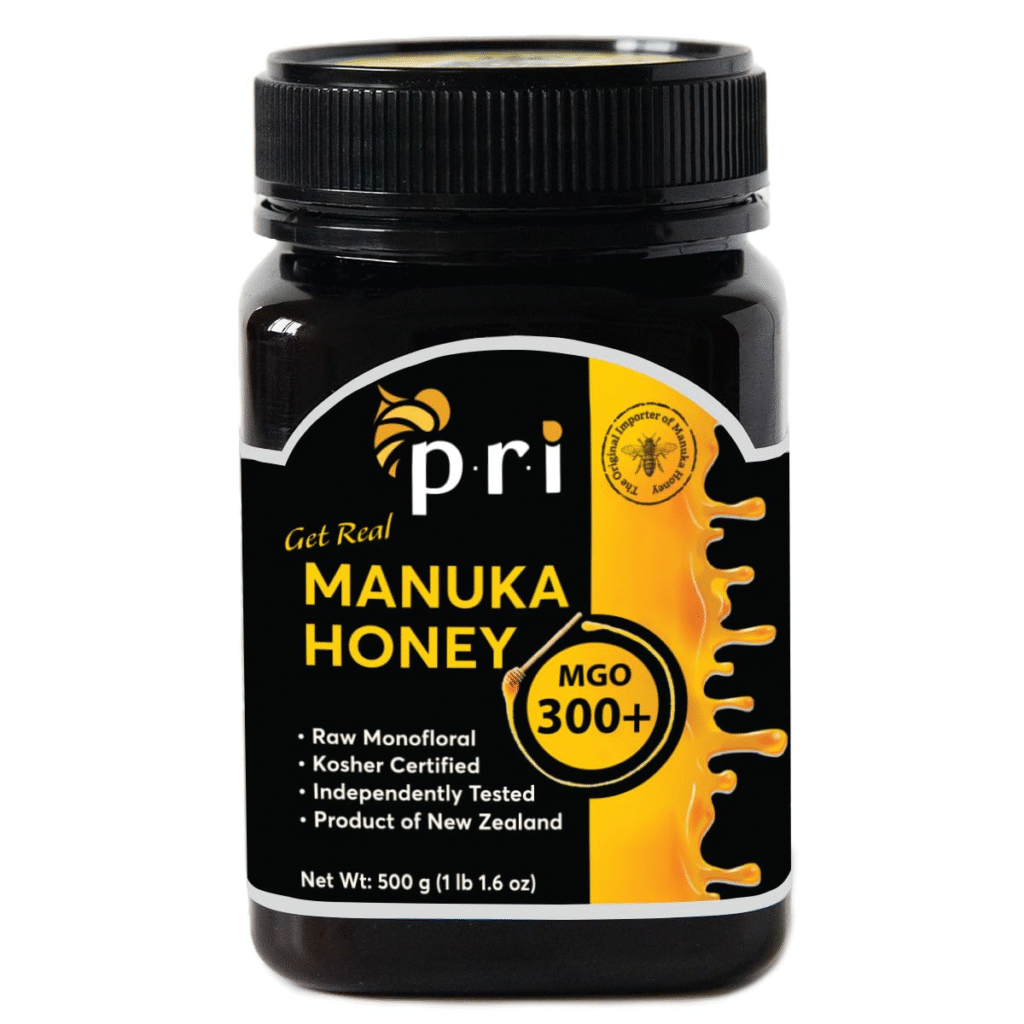
Manuka Honey UMF 10+ (500g) – This premium-grade honey offers a richer, more potent soothing effect for throat irritation and cough. The author has kept a jar during cold seasons; a teaspoon in warm tea before bed often reduces nighttime coughing.
Ultrasonic Essential Oil Diffuser – Ideal for softly diffusing diluted eucalyptus or peppermint oils in a bedroom overnight, to maintain gentle steam/humidity and support airway comfort.
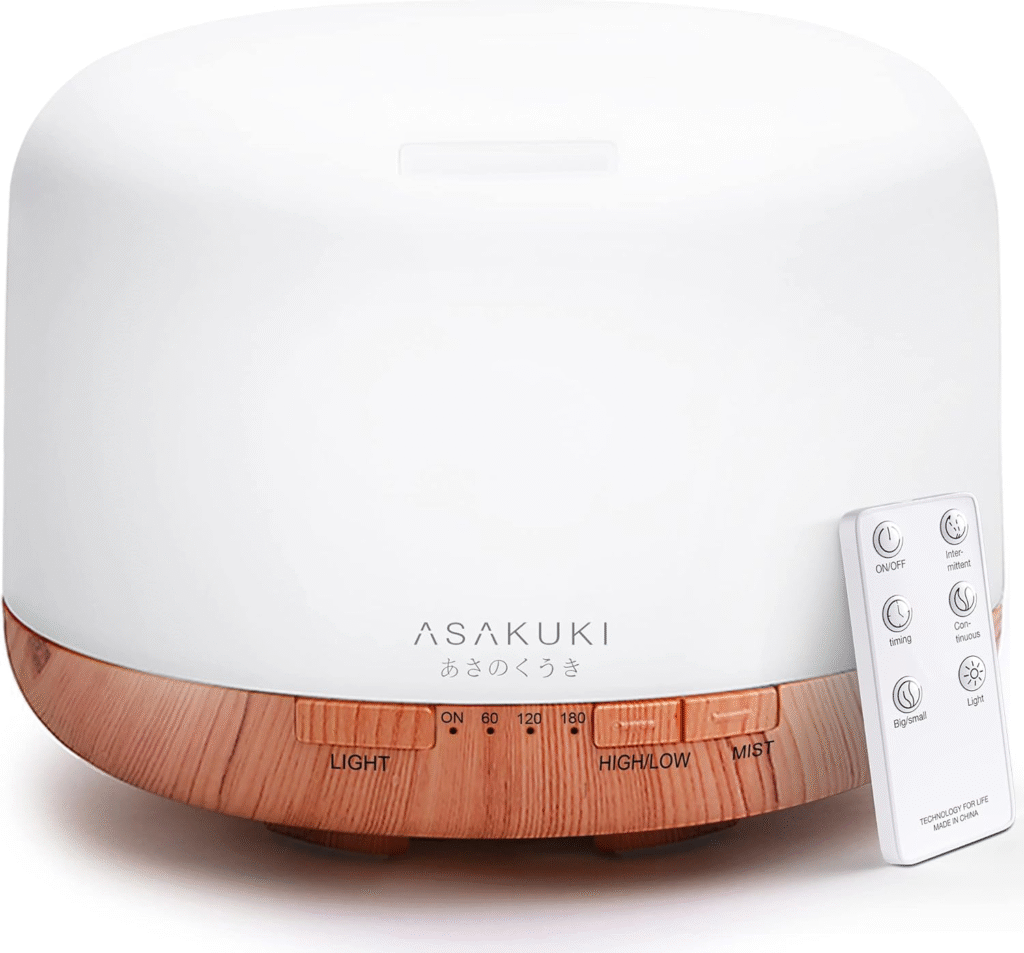
Note: Always use high-quality, authentic products. For the diffuser, the author ensures it has auto-shutoff and easy-to-clean parts. For honey, check UMF/MGO labels and source authentication.
When readers click and purchase via such affiliate links, the author may earn a small commission at no extra cost to them and that helps maintain the site. But the recommendations are grounded in real, tested use.
9. Safety, Warnings & When to See a Doctor
While many home remedies are low-risk, keep in mind:
- If cough lasts more than 3 weeks, or 8 weeks, or comes with high fever, blood in sputum, weight loss, or breathlessness, see a physician immediately.
- People with diabetes, kidney issues, liver disease, or immune suppression should use caution with honey, herbs, or essential oils.
- Pregnant women should check with their provider before using herbs or essential oils.
- Avoid giving honey to infants under 1 year.
- Always dilute essential oils and test on a small skin area before wide use.
- Be cautious with mixing home remedies and prescription medications—check for interactions.
By focusing on evidence, local wisdom, and safe practice, adults can try natural cough remedies with greater confidence.
10. Summary & Practical Home Protocol
Here’s a sample night-time at-home protocol (which the author often follows during cough flare-ups):
- Warm saltwater gargle
- Prepare honey-ginger tea (with lemon if tolerated)
- Sip slowly before bed
- Use ultrasonic diffuser with eucalyptus or peppermint (diluted)
- Elevate head slightly
- Keep a small glass of water nearby
- If mucus is troublesome, inhale steam or take warm shower before bed
- Use cough suppressant only if cough is so bad you can’t sleep (briefly)
Morning: upon waking, warm water with lemon or pineapple-honey mixture helps loosen overnight mucus.
By combining these remedies especially honey, warm teas, essential oils, steam, pineapple or ginger blends—many adults find cough relief faster and more comfortably than by relying solely on over-the-counter medicines.