

When someone’s stomach is in turmoil bloating, cramps, indigestion, nausea—it feels like nothing else matters. Over the years, the author (who has dealt with occasional IBS symptoms, acid reflux flares, and food-triggered bloating) has tried many remedies—some worked beautifully, others fizzled. This article blends scientific evidence, practical experience, and caution to help readers find safe, gentle solutions.
A note on safety: stomach symptoms can signal many conditions—food poisoning, ulcer, gallbladder disease, inflammatory bowel disease. If symptoms are severe, persistent, or accompanied by bleeding, weight loss, or fever, always see a healthcare provider. The suggestions here are for milder, chronic, or episodic discomfort.
Understanding the Root Causes
To treat stomach issues well, one must first appreciate why they happen. Some common triggers:
- Overeating, eating too fast, or consuming rich or greasy foods
- Food sensitivities or intolerances (e.g. lactose, gluten)
- Imbalance of gut microbiota
- Stress and the “gut-brain axis”
- Infections (viral, bacterial, H. pylori)
- Functional disorders such as functional dyspepsia or IBS
- Acid reflux or gastritis
When the digestive system is stressed, natural, gentle agents can help calm spasms, reduce inflammation, support microbial balance, and aid motility.
Evidence-Based Natural Remedies
Here are remedies grounded in research, along with practical tips and caveats.
1. Ginger (fresh, tea, or capsule form)
What the evidence says:
Ginger is one of the most studied herbs for nausea, gastric discomfort, and digestion. In one double-blind study, 1.2 g of powdered ginger accelerated gastric emptying by about 24% in subjects with “functional dyspepsia.” Another review shows good plausibility for ginger’s anti-inflammatory and motility-enhancing effects.
How the author uses it:
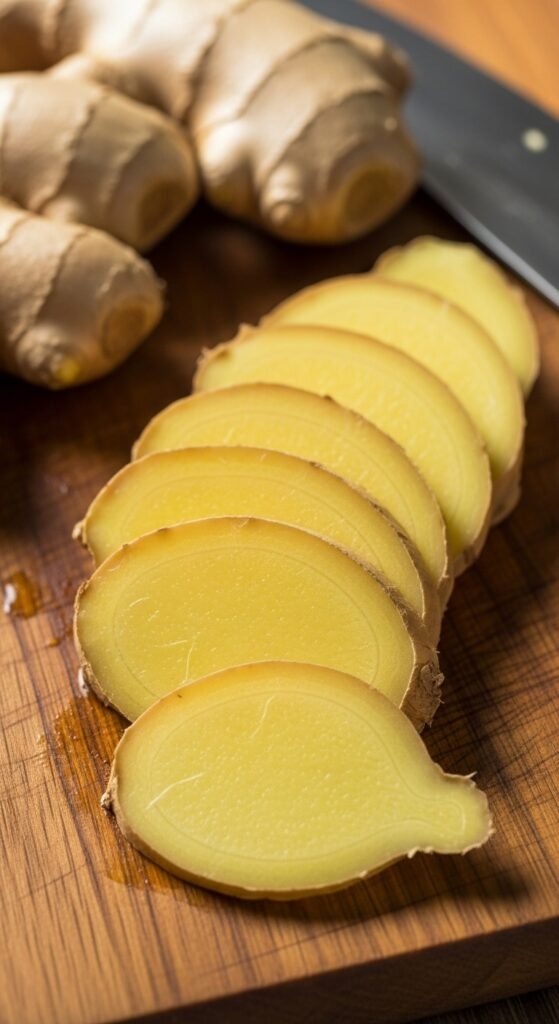
When bloating or heaviness sets in after a heavy meal, the author slices fresh ginger (about 1 cm root), boils it in water for 10 minutes, and sips it warm. Sometimes a small amount of raw honey is added. It helps reduce nausea and “turn off” the full, uncomfortable feeling.
Caveats:
- In some individuals, ginger can irritate acid reflux, so start with small amounts.
- Avoid high doses if you are pregnant (especially in the first trimester) or on blood thinners, unless approved by your doctor.
2. Peppermint Oil (enteric-coated)
What the evidence says:
Peppermint oil is among the better supported herbal treatments for functional gut symptoms. Multiple randomized controlled trials show that enteric-coated peppermint oil capsules reduce abdominal pain, bloating, and discomfort in IBS and functional dyspepsia compared with placebo. One meta-review suggests that peppermint + caraway combinations may be more effective together than alone.
How the author uses it:
On days with crampy pain or spasms, the author often takes one entric-coated peppermint oil capsule midday (before lunch). In his experience, relief begins in 30–60 minutes. He alternates with other remedies (ginger or chamomile) on milder days.
Caveats:
- Not recommended for individuals with GERD/acid reflux (peppermint may relax the lower esophageal sphincter and worsen symptoms).
- Always choose enteric-coated capsules so that the oil doesn’t dissolve too early (in the stomach) and also to reduce heartburn risk.
- If symptoms worsen, discontinue use and consult a physician.
3. Chamomile Tea & Relaxation
Evidence summary:
Chamomile (Matricaria recutita) has anti-inflammatory and spasmolytic (muscle-relaxing) properties and has been traditionally used for digestive discomfort. Some more modern studies support its soothing effects on gut muscles and reduction in cramping.
Practical tip:
Steep one chamomile tea bag or 1 teaspoon dried chamomile blossoms in hot water for 5–7 minutes, then strain and sip slowly. The author often uses chamomile before bedtime when mild bloating or tension in the gut lingers. The warmth and fragrance itself help signal the body to relax.
4. BRAT Diet & Gentle Foods
What it is:
When nausea, diarrhea, or severe discomfort strikes, the BRAT diet (Bananas, Rice, Applesauce, Toast) is often recommended. These are bland, low-fiber, low fat, low residue foods that are gentle on the gut.
Additional gentle foods:
- Plain boiled potatoes
- Oatmeal or porridge (if tolerated)
- Plain yogurt (if dairy is tolerated)
- Bone broth or light soups
- Cooked carrots or peeled zucchini
When the author’s gut is in “reset mode,” he sticks to bland foods for 1–2 days, then slowly reintroduces vegetables, lean protein, and fiber.
5. Hydration, Electrolytes & Small Sips
Why it matters:
When diarrhea or vomiting occurs, dehydration is a real risk. Hydrating with plain water, oral rehydration salts (ORS), or mild electrolyte drinks helps maintain balance.
Tactic used by the author:
He occasionally adds a pinch of sea salt and a small amount of sugar or a bit of fruit juice to water (very dilute) or uses commercially available low-sugar electrolyte powders. He sips slowly rather than gulping, especially when nausea is present.
6. Probiotics & Fermented Foods
Scientific basis:
Probiotics—live beneficial microbes—may help rebalance gut microbiota and ease symptoms like diarrhea, bloating, and discomfort, especially after antibiotics. Some strains (e.g., Lactobacillus, Bifidobacterium) are better studied than others, though evidence is mixed for chronic conditions.
Author’s approach:
The author includes natural probiotic foods like plain yogurt, kefir, or fermented vegetables (in small amounts) when the gut seems stable. For flare periods, he sometimes adds a probiotic supplement for a short course (under physician guidance).
7. Fennel, Green Tea & Gentle Herbs
Supportive evidence:
Fennel seed tea is used traditionally to reduce gas, bloating, and gastrointestinal spasms. Green tea has milder effects on digestion, but its antioxidant and anti-inflammatory roles may help overall gut health.
How the author uses them:
After a heavy or bloating meal, he sometimes chews a small pinch of fennel seeds or brews fennel tea (½ teaspoon crushed seeds in hot water). It helps “release” trapped gas gently. Green tea is a regular staple—he drinks it in moderation and avoids it during flare days if it feels too acidic.
Two Trusted Amazon Product Suggestions
Below are two Amazon-available products the author has personally tested (or used for extended trials). These are not endorsements, but honest insights based on experience.
| Product | Use Case | What the Author Liked (and Cautions) |
|---|---|---|
| NOW Foods Ginger Root Capsules (500 mg, 120 count) | For when fresh ginger is impractical | The author found these capsules a helpful fallback when travelling or during busy days. They provide a consistent dose, and he experienced mild nausea relief during motion or digestive unease. However, he avoids high doses when reflux is active. |
| Nature’s Way Enteric Coated Peppermint Oil (450 mg, 100 capsules) | For IBS / functional gut spasms | During periods of crampy discomfort, he used one capsule mid-day and found noticeable ease in 45 minutes. The enteric coating reduced heartburn risk. He also alternates with herbal teas on lighter days. If heartburn dominates, he might avoid this. |

- STANDARDIZED TO MINIMUM OF 5% GINGEROLS: Ginger is a plant native to Southeast Asia that has a long history of use by tr…
- TEMPORARY RELIEF OF UPSET STOMACH*: Ginger has more recently been shown to support digestive health and helps to tempora…
- TRADITIONAL SPICE: In addition, ginger possesses a wide range of powerful free radical-quenching compounds*


- Nature’s Way Pepogest peppermint oil softgels soothe occasional digestive discomfort*
- Gentle, easily tolerated peppermint oil supplement softgels are enteric coated to withstand stomach acid
- Adults swallow 1 peppermint oil supplement softgel three times daily with water, 30-60 minutes before food
When selecting these or any supplement:
- Choose reputable brands with third-party testing or GMP certification.
- Confirm the product is enteric coated, especially for peppermint oil.
- Start with the lowest effective dose.
- Monitor for side effects (e.g. increased reflux, allergic reaction).
- Use supplements only as adjuncts—not replacements—for diet, hydration, and medical treatment.
Lifestyle & Habit Tips That Enhance Every Remedy

Natural remedies work best when combined with smart habits:
- Eat slowly, chew well. This reduces gas and helps digestion.
- Smaller, more frequent meals rather than large ones.
- Avoid trigger foods (fried foods, spicy, caffeine, carbonated drinks, processed sugars).
- Mind your stress. Deep breathing, yoga, gentle walking after meals help calm the gut. The author often includes 5–10 minutes of deep breathing after meals.
- Warm compress or heat pad on the abdomen may ease cramping.
- Sleep propped up (for reflux), avoid late meals, and maintain good sleep hygiene.
- Track symptoms (a simple journal) to detect food triggers or patterns.
When to Consult a Doctor (Don’t Delay)
While the remedies above are helpful for many mild to moderate gut issues, red flags demand medical attention:
- Bloody or black stools
- Persistent vomiting
- Unexplained weight loss
- Difficulty swallowing
- Severe, sudden abdominal pain
- Jaundice (yellowing of skin/eyes)
- Prolonged symptoms (> 2 weeks)
Always tell your doctor about any herbs or supplements you’re using; herb-drug interactions are real. For instance, peppermint oil may interact with acid suppressants, and ginger may affect blood clotting.
Final Thoughts
The journey to digestive comfort is rarely one-size-fits-all. The author’s own path included trial and error, gentle but consistent use of remedies, and paying close attention to body signals. Ginger, peppermint (enteric), chamomile, hydration, probiotics, and dietary moderation are cornerstones in his “toolkit.”
The Amazon products mentioned above are tools—useful if chosen wisely—but they shine best when built into a holistic plan of diet, habit, and self-awareness.
If one wants to begin small, try fresh ginger tea (or ginger capsules) and chamomile tea first, and then only introduce peppermint oil or a supplement when symptoms (cramps, bloating) demand extra support.