

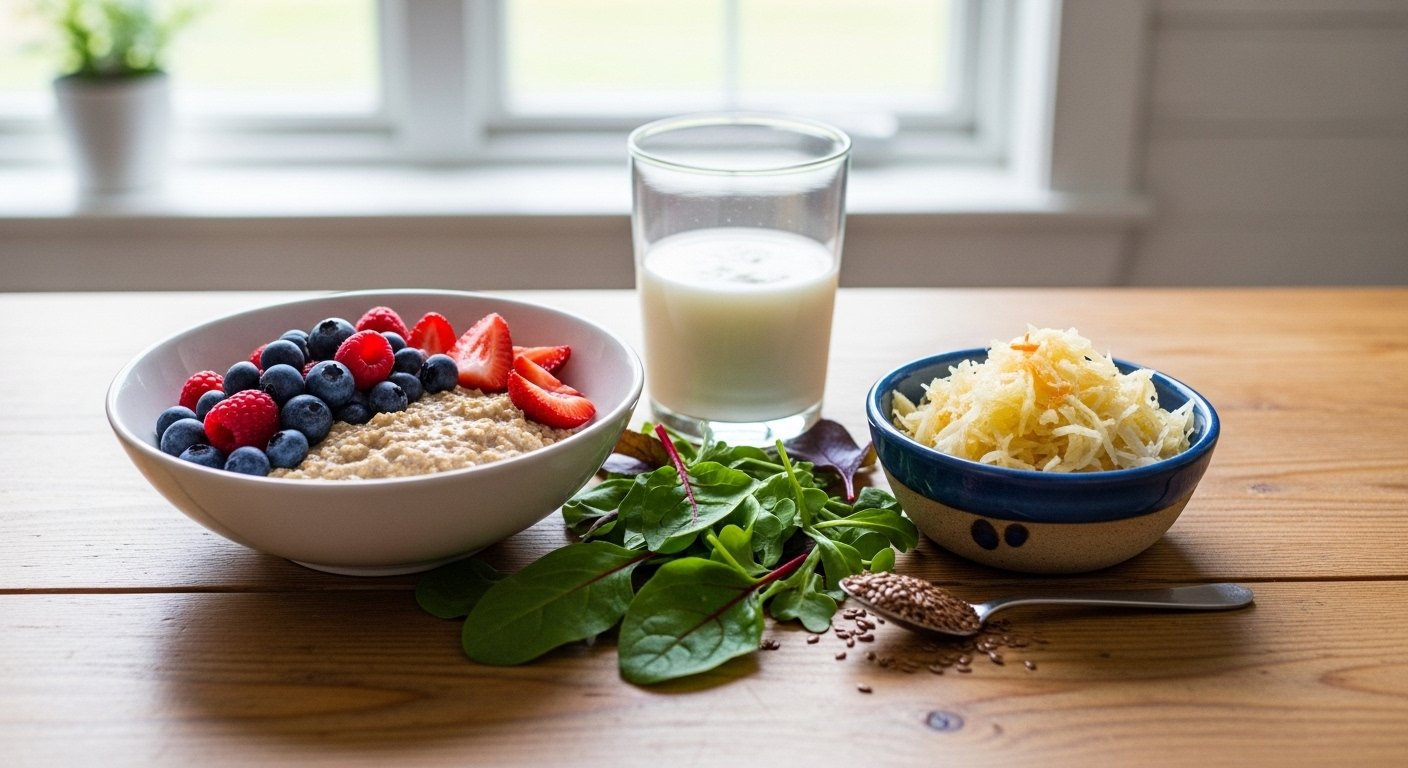
A healthy gut is a foundation of wellness. When the gut is balanced with friendly bacteria thriving and inflammation in check digestion, immunity, mood, even energy tend to improve. Over years of experimenting in her own kitchen, the author has come to rely on certain gut-friendly foods that consistently help reduce bloating, improve regularity, and bring a sense of comfort. In this article, readers get both a food list (the “what to eat”) and 7 standout foods she truly uses and recommends.
Why Focus on a Gut-Friendly Food List?
Medical and nutritional science supports the idea that certain foods feed your “good” gut microbes (prebiotics) or introduce helpful microbes (probiotics).
Also, resistant starch and fermentable fibers are known to produce short-chain fatty acids (SCFAs), which are beneficial to colon health.
But in practice, many people feel overwhelmed by lists of 50 “superfoods.” The goal here is simpler: a core food list you can use daily, and 7 specific foods the author trusts — with realistic, usable tips and — where relevant — product suggestions tried and tested.
Core Gut-Friendly Food List (the “Basics”)
Use these as your foundation. Rotate, combine, and pick what you like.
| Food Category | Why It Helps | Tips / Notes |
|---|---|---|
| High-fibre whole grains (oats, barley, quinoa, brown rice) | Fiber feeds gut microbes; diverse fiber types matter | The author often starts the day with a bowl of overnight oats |
| Legumes & pulses (lentils, chickpeas, black beans) | Rich in resistant starch and soluble fiber | Use in soups, stews, or as hummus |
| Allium vegetables (onion, garlic, leeks, shallots) | Contain inulin & other prebiotics for beneficial bacteria | Use gently if you have IBS — start small |
| Vegetables (especially cruciferous + color variety) | Variety of fibers, polyphenols, micronutrients | Carrot, broccoli, spinach, bell pepper — aim to “eat the rainbow” |
| Fruits (berries, apples, kiwi) | Provide fiber and polyphenols | Pair with protein or healthy fat for better blood sugar control |
| Fermented foods (yogurt, kefir, sauerkraut, kimchi, miso) | Deliver probiotics and beneficial microbes | Use plain, low-sugar versions |
| Nuts & seeds (chia, flax, almonds, walnuts) | Fiber + healthy fats | Soaking or grinding may help with digestibility |
| Resistant starch sources (cooled potatoes, green banana, cooked & chilled rice) | Converts in colon into SCFAs that nourish gut lining | Try cooking extra and chilling for use next day |
| Healthy oils & fats (olive oil, avocado, fatty fish) | Helps with absorption, reduces inflammation | Pair with fiber to slow digestion |
| Hydration & herbal teas (water, ginger tea, peppermint) | Keeps transit smooth, soothes gut | Drink regularly, avoid too much caffeine |
This list gives you a palette of gut-friendly ingredients. From here, let’s zoom into 7 standout foods the author uses and how to include them in meals.
7 Standout Gut-Friendly Foods (and How the Author Uses Them)
Each of these has been tested in real life, not just read in research. The author shares tasting notes, caveats, and tips for use.
1. Greek Yogurt (plain, live cultures)
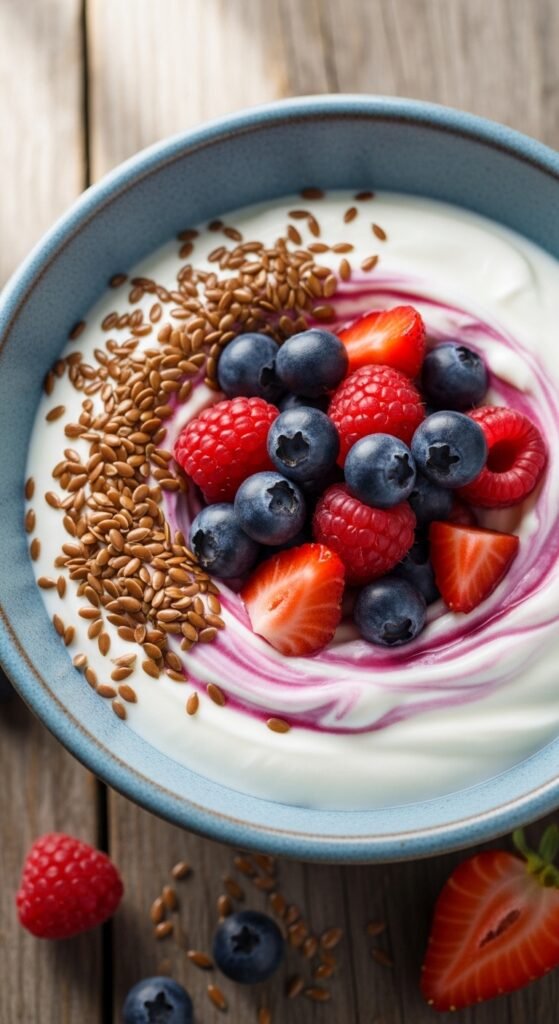
Why it stands out: It’s creamy, satisfying, and loaded with probiotics. Many gastroenterologists favor Greek yogurt for gut support.
How the author uses it: A simple breakfast: Greek yogurt + berries + ground flaxseed. Some evenings she uses it as a base for her version of raita (spiced cucumber dip).
Caveats: Choose plain, no added sugar, with “live & active cultures” on the label. If dairy bothers you, use unsweetened coconut yogurt with live cultures instead (though the probiotic diversity might be lower).
2. Kefir
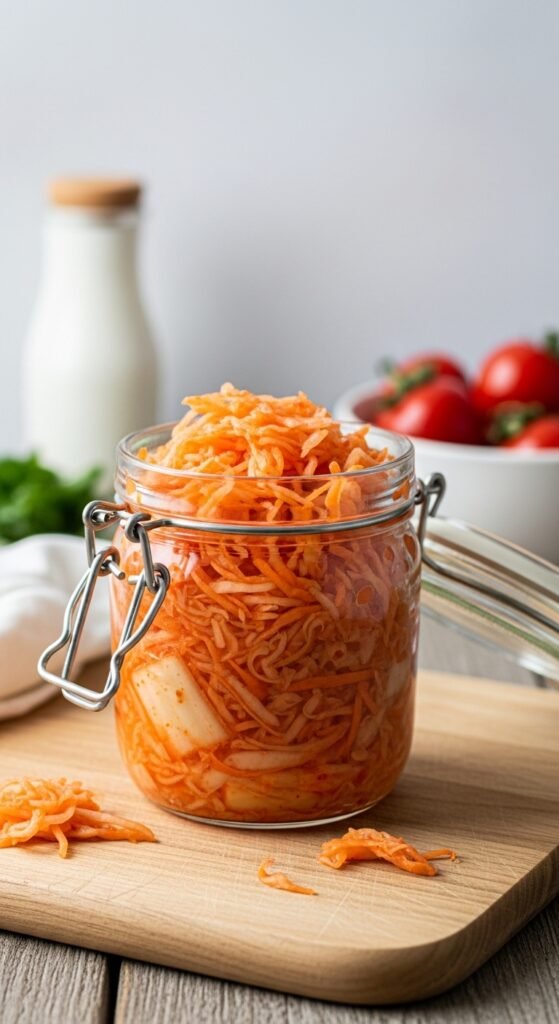
Why: Among fermented foods, kefir offers high probiotic diversity and is often recommended for daily gut support.
Author’s experience: She started with a store-bought unsweetened version; now she makes small batches at home. A splash in a smoothie (berries + spinach) gives a tangy twist without overpowering flavor.
Tip: Start with a few tablespoons if you’re new to it, so your gut adjusts slowly.
3. Chicory Root, Jerusalem Artichoke, Inulin
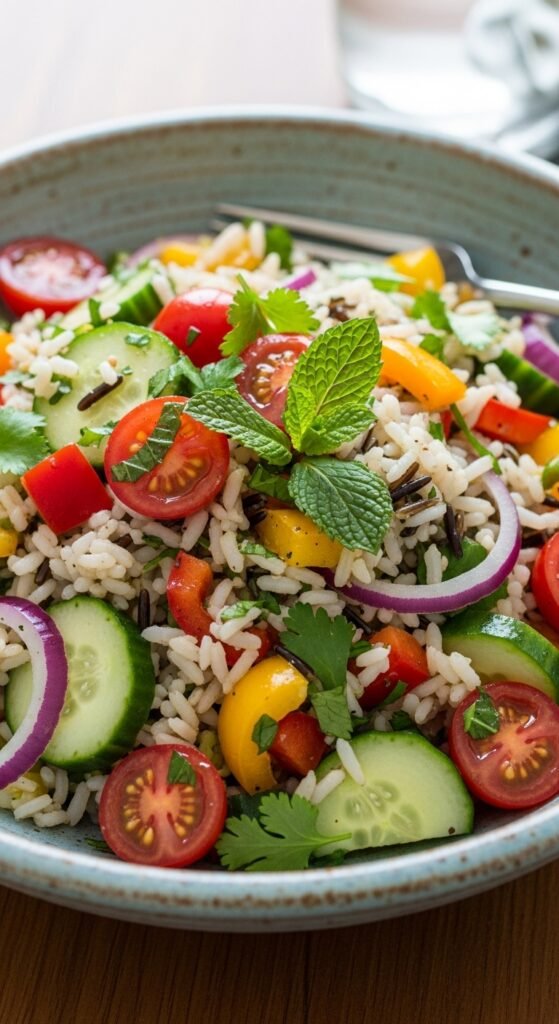
Why: These are potent prebiotic fibers that fuel beneficial bacteria. Many gut supplements use them in formulas.
Author’s take: She sometimes adds a pinch of inulin powder to oats or smoothies. But she notes: “Too much at once and you’ll pay with gas.” Moderation is key.
Caution: If you have IBS or FODMAP sensitivity, start very low and observe effects.
4. Cooked & Cooled Potato or Rice (Resistant Starch)

Why: When cooked and cooled, starches convert to a form that resists digestion in the small intestine and becomes fuel for colon microbes.
How she uses it: She brews a batch of rice or potatoes midday, cools them, and tosses into salads or stews later. It adds bulk and supports gut health with no extra work.
Flavor tip: Reheat gently or eat cold (e.g. potato salad, rice salad).
5. Sauerkraut / Kimchi (Unpasteurized Fermented Cabbage)
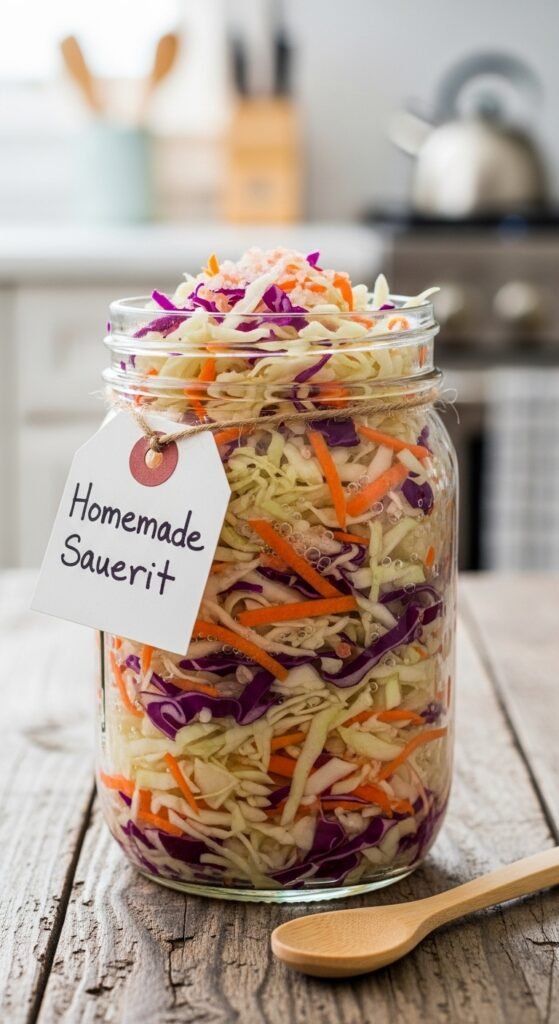
Why: They deliver live beneficial bacteria and enzymatic activity.
Author’s note: She makes small batches at home (using cabbage, salt, optional spices) and adds a spoon to meals (on sandwiches, bowls).
Warning: Use unpasteurized versions; pasteurization kills live cultures. Also, if sodium is a concern, rinse lightly before using.
6. Oats (especially soaked overnight)

Why: Oats are a reliable source of soluble fiber (β-glucans) and feed many beneficial microbes.
Author’s habit: Overnight oats with chia and berries is a weekly staple. She soaks in plant milk or yogurt to ease digestion.
Variation: Use gluten-free oats if you suspect sensitivity.
7. Flaxseeds / Chia Seeds
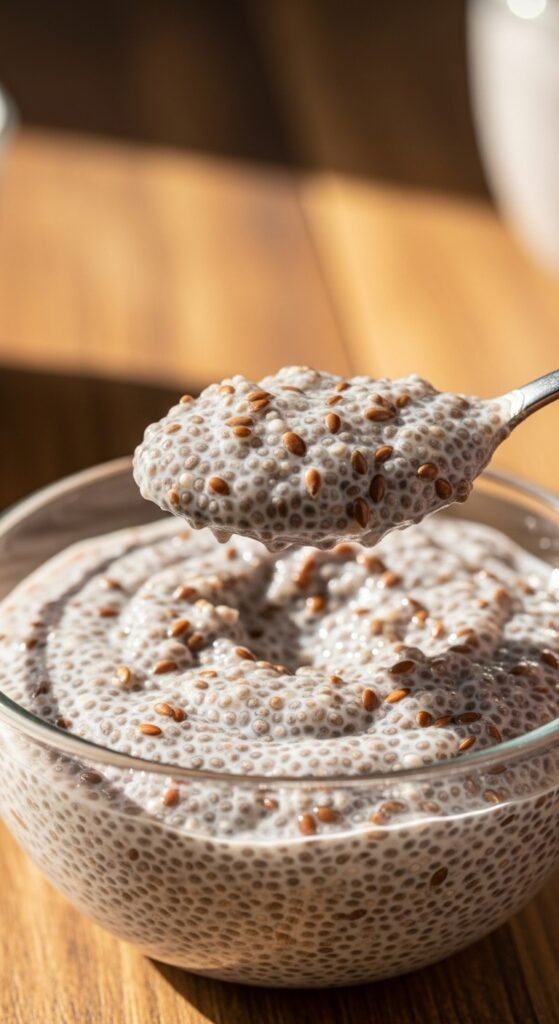
Why: Tiny powerhouses of mucilage fiber, which helps stool move and supports gut microbial diversity.
How she uses them: Ground flax is sprinkled on yogurt, in muffins, and in “gut health energy balls.” Chia makes a pudding with almond milk, a pinch of cinnamon, and fruit.
Note: Always grind flax (if whole) so your body can absorb the nutrients. Start with 1 tbsp and increase gradually.
How to Use This Food List A Weekly Template
To make this practical:
- Breakfasts: Greek yogurt, oats, kefir, chia pudding
- Lunches: Salads with cooled rice/potato + legumes + sauerkraut
- Dinners: Steamed veggies + legumes + whole grains
- Snacks: Fruit + nuts/seeds
- Add small amounts of fermented items daily (sauerkraut, kimchi, yogurt)
- Rotate and diversify — don’t stick to just 2 or 3 foods
- Hydrate well — water supports fiber movement
- Introduce new items slowly — sudden change can cause bloating
Final Thoughts & Credibility Notes
- The recommendations here align with evidence-based nutrition: eating a variety of fiber types, including fermented foods, is foundational for gut health.
- The author writes from real experience trying recipes, adjusting tolerances, testing products like the Gut Guardian because a food plan that doesn’t feel sustainable won’t stick.
- Always remember: you are unique. What works for one gut might be uncomfortable for another. Use this list as a trusted toolkit, not a rigid rulebook. Track your symptoms, adjust, consult professionals when needed.
Takeaway: Build your gut health over time, focusing on whole, fiber-rich and fermented foods. Use supplements only to support, not replace. With consistency, your gut will respond in comfort, regularity, and a feeling of true wellness.