

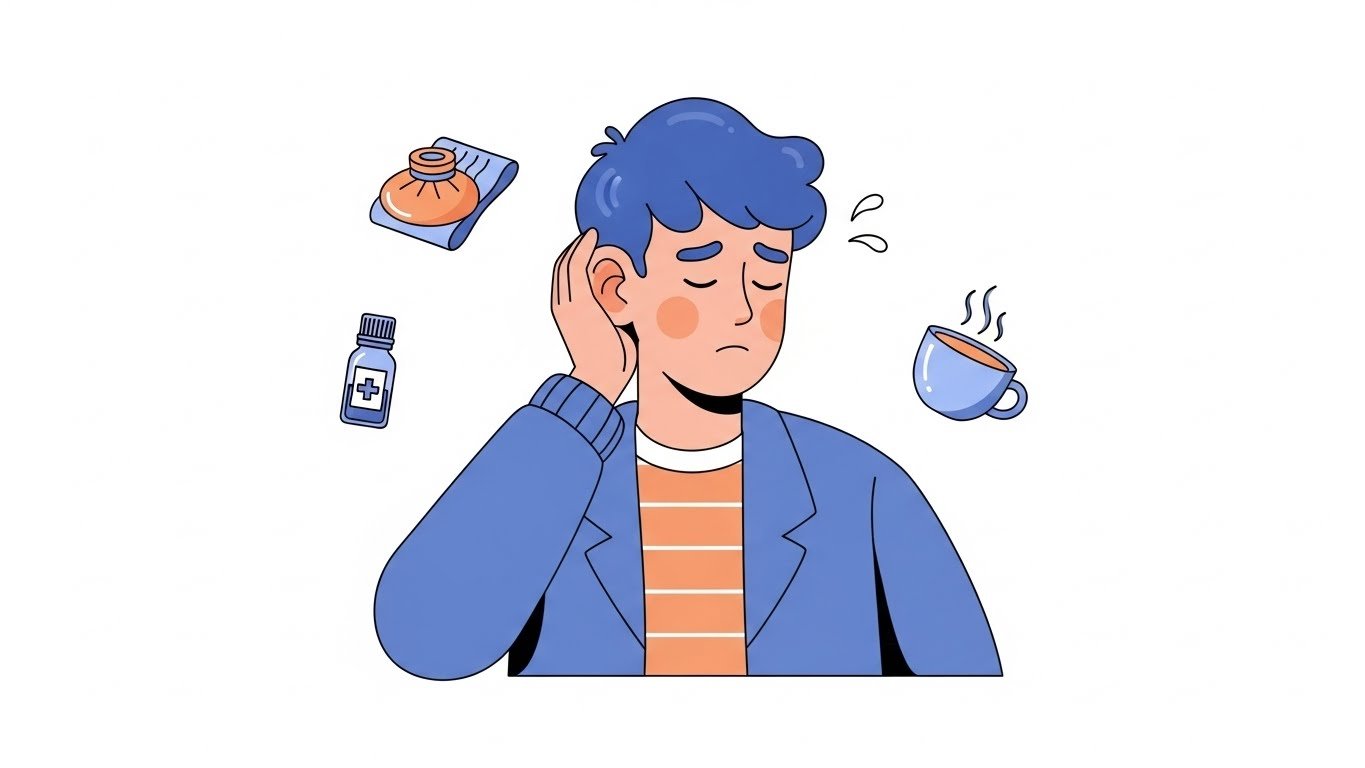
Earaches are common in teenagers, especially during cold seasons, allergy flare-ups, swim practice, or after flights. Even though teens can describe their symptoms better than young kids, ear pain can still be sharp, throbbing, or distracting enough to interfere with school, sports, or sleep.
This guide shares safe, practical, evidence-informed remedies that teens and parents can use at home—while also explaining when it’s time to see a doctor.
Important: Sudden severe pain, fever, drainage, hearing loss, or symptoms lasting more than 24–48 hours should be evaluated by a healthcare provider. Ear infections sometimes need antibiotics.
⭐ Why Teens Get Earaches
Ear pain can come from several causes:
- Sinus or cold congestion
- Seasonal or dust allergies
- Irritated ear canal after swimming (“swimmer’s ear”)
- Earwax buildup
- Pressure changes from flights or diving
- Sore throat or jaw tension causing referred pain
- Middle ear infection
Understanding the reason helps teens choose the right remedy.
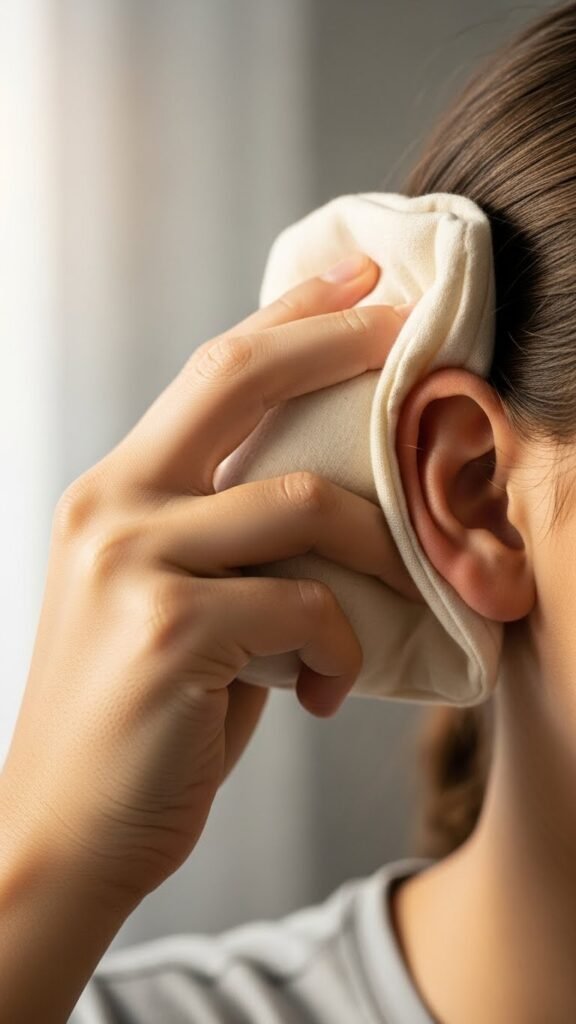
⭐ 1. Warm Compress (Quick, Soothing Relief)
A warm compress is one of the fastest ways to ease pressure and pain in or around the ear.
How to use it:
- Soak a washcloth in warm water
- Wring it out
- Hold over the ear for 10–15 minutes
- Repeat 2–3 times daily
Warmth helps improve circulation and relax tight muscles, which is especially useful for tension-based earaches.
⭐ 2. Steam or Humidifier for Congestion-Related Pain
If the earache is linked to a cold or sinus pressure, moisture helps open passages and drain mucus.
What works well:
- A warm shower inhalation session
- Breathing steam over a bowl (carefully)
- Running a humidifier overnight
This reduces pressure behind the eardrum and can noticeably improve comfort.
⭐ 3. Safe Earwax Removal (When Wax Is the Problem)
Teens who wear earbuds a lot sometimes develop wax buildup that causes muffled hearing or ache.
Safe method:
- Use an OTC carbamide peroxide ear-drop solution
- Soften wax as directed
- Let it drain naturally
Do NOT:
- Use Q-tips inside the ear canal
- Insert bobby pins
- Use ear candles
Those can cause damage or burns.
⭐ 4. Pain-Relief Medication (When Needed)
Over-the-counter medication can help teens rest and function comfortably.
Common options:
- Ibuprofen to reduce inflammation and pain
- Acetaminophen if ibuprofen isn’t appropriate
Follow dosing instructions based on age/weight, and avoid mixing medicines unless advised by a clinician.
⭐ 5. Saline Rinse or Nasal Relief for Sinus-Based Ear Pain
When congestion is blocking the Eustachian tube, ear pain often improves after clearing the nose.
Options:
- Saline nasal spray
- Neti pot (with sterile/distilled water only)
- Warm shower
Relieving nasal inflammation improves drainage and reduces pressure inside the ear.
⭐ 6. Chewing, Swallowing, and Yawning for Pressure Changes
This remedy works especially well for teens experiencing pain after:
- Flights
- Road trips through mountains
- Scuba diving or snorkeling
Actions that help:
- Chewing gum
- Drinking water
- Swallowing repeatedly
- Yawning
These open the Eustachian tubes and rebalance ear pressure.
⭐ 7. Drying Ear Drops (Only for “Swimmer’s Ear” Prevention)
Teens who swim or shower frequently may trap water in the ear canal.
Safe “drying” drops (sold over the counter) can help, but only if the eardrum is known to be intact and there’s no infection. These contain alcohol mixed with glycerin to evaporate water.
Signs of swimmer’s ear:
- Pain when touching the outer ear
- Itchiness
- Fullness
- Recent water exposure
If symptoms worsen, see a clinician—swimmer’s ear often needs prescription drops.
⭐ When Teens Should NOT Use Oils, Herbs or DIY Drops
Certain “home remedies” seen online can irritate or damage the ear canal.
Avoid putting inside the ear:
- Garlic oil
- Tea tree oil
- Essential oils
- Olive oil
- Vinegar (unless instructed by a doctor)
- Hydrogen peroxide repeatedly
- Any unknown homemade mixture
These can burn the skin, trap infection, or perforate the eardrum.
⭐ When Ear Pain Needs Medical Care
Seek medical attention if a teen has:
- Fever over 100.4°F (38°C)
- Severe or worsening pain
- Fluid leaking from the ear
- Trouble hearing
- Dizziness or balance issues
- Pain lasting more than 48 hours
- A recent injury to the ear or head
A clinician may prescribe antibiotics (for bacteria), steroid drops (for inflammation), or antifungal treatment (for swimmer’s ear).
⭐ Prevention Tips for Future Earaches
Teens can reduce repeat earaches by:
- Limiting earbud use and cleaning them frequently
- Keeping ears dry after swimming
- Avoiding Q-tips
- Managing allergies
- Washing hands frequently during cold season
- Avoiding smoking exposure (irritates Eustachian tubes)
- Staying hydrated to keep mucus thin
Athletes in chlorinated pools benefit from swimmer’s-ear prevention drops and drying ears thoroughly afterward.
⭐ Final Thoughts
Earaches can be uncomfortable, distracting, and persistent—but most teenage cases improve quickly with gentle, smart care. Warm compresses, steam, anti-congestion strategies, safe wax removal, and basic pain relief are often enough to reduce symptoms while the body recovers.
If something feels “off”—fever, drainage, sudden hearing loss, or worsening pain—trust the signs and connect with a clinician. Early care prevents long-term issues and helps teens get back to school, sports, and life faster.