

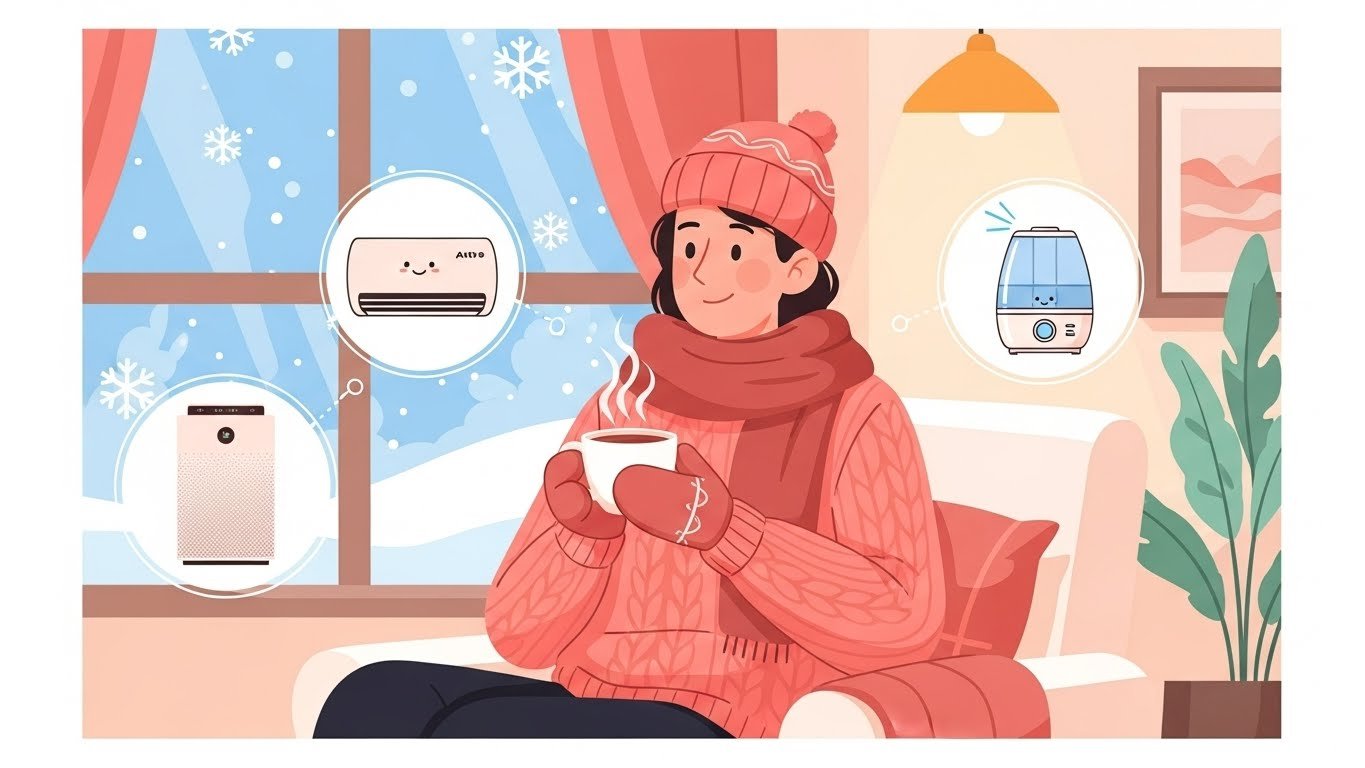
Winter allergies can feel confusing. Most people assume allergy season ends when the cold weather starts, but for me, winter is when things get worse. The dryness, indoor heating, dust mites, and mold hiding in warm corners always seem to flare up the moment temperatures drop.
Over the years, I’ve learned to manage my winter allergies with a mix of natural remedies, smart lifestyle habits, and a couple of products that genuinely made a difference. In this guide, I’m sharing 10 winter allergy remedies that have consistently worked for me, explained in simple terms, with real personal experiences and recommendations I trust.
Let’s dive in.
1. Using a Humidifier to Control Dry Air
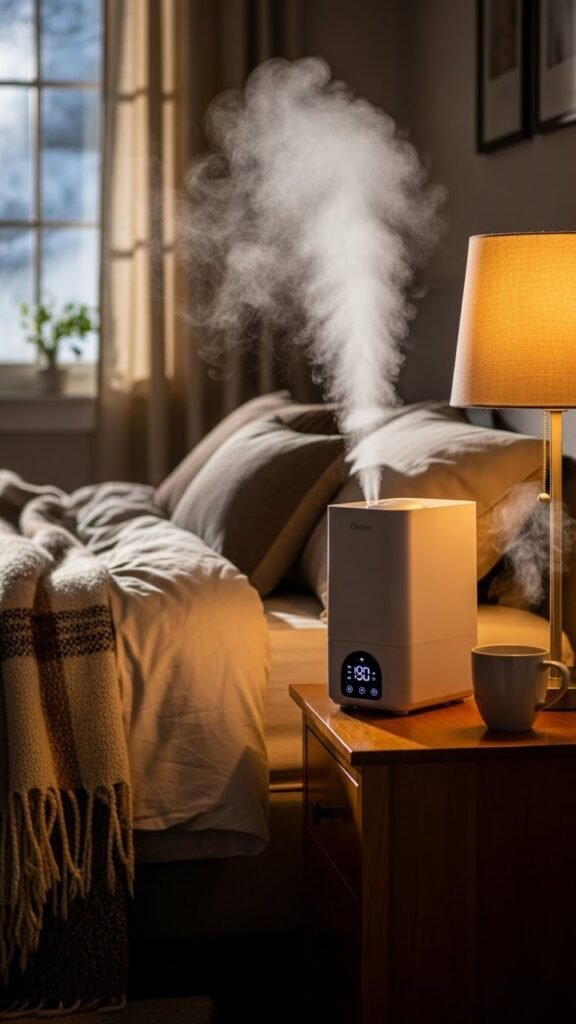
Winter air is naturally dry, and indoor heating makes it even worse. Whenever the dryness gets too intense, my nose becomes itchy, my throat burns, and my sinuses feel tight. That’s when I realized humidity wasn’t optional for me — it was necessary.
A humidifier adds moisture back into the air, which helps:
- Reduce nasal irritation
- Prevent throat dryness
- Keep sinus passages from becoming inflamed
- Lower dust circulation inside the room
I keep my humidifier running at around 40–50% humidity, which is a comfortable range that prevents both dryness and mold growth.
This simple switch has consistently made the biggest difference in how I feel during winter mornings.
2. Daily Saline Nasal Rinsing

If there’s one remedy I swear by, it’s a saline rinse. I used to wake up with clogged nostrils almost every winter morning, but rinsing with warm saline cleared out allergens, dust, and mucus instantly.
Benefits I personally notice:
- Reduced sinus pressure
- Less sneezing
- Better breathing at night
- Fewer morning headaches
I prefer using a squeeze bottle instead of a neti pot because the pressure gives me deeper relief. Just make sure to use distilled or boiled-and-cooled water — never tap water.
3. Frequent Dusting and Cleaning
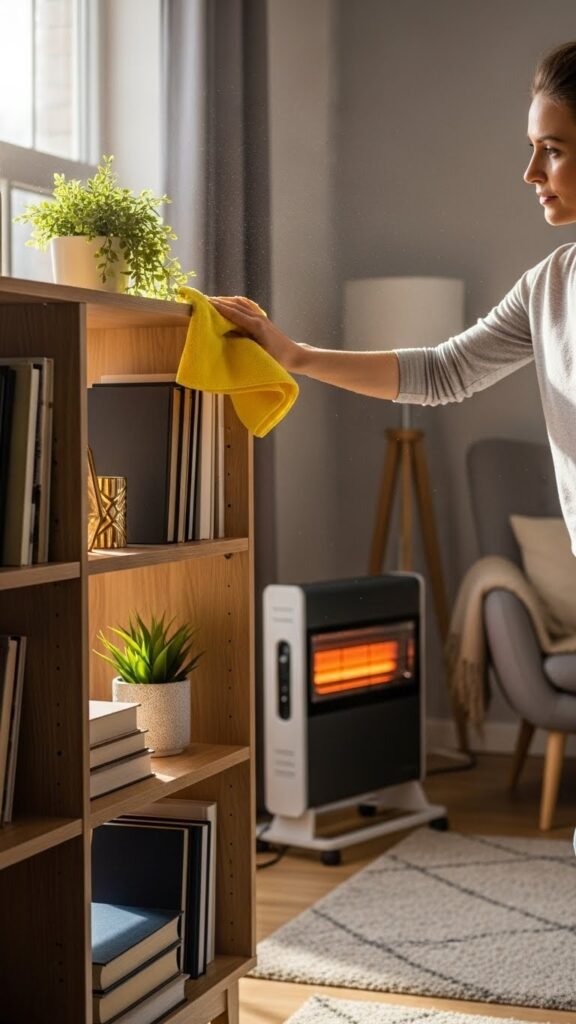
Winter is the season when we stay indoors the most, which means allergens get trapped inside. When I used to skip deep cleaning, my symptoms would flare every time the heater kicked on.
Here’s what helps me keep allergy triggers low:
- Washing bedding weekly in hot water
- Dusting furniture every 3–4 days
- Vacuuming with a HEPA filter vacuum
- Wiping ceiling fans, vents, and windowsills
Dust mites thrive in warm indoor spaces during winter, so staying consistent truly matters.
4. Using a HEPA Air Purifier
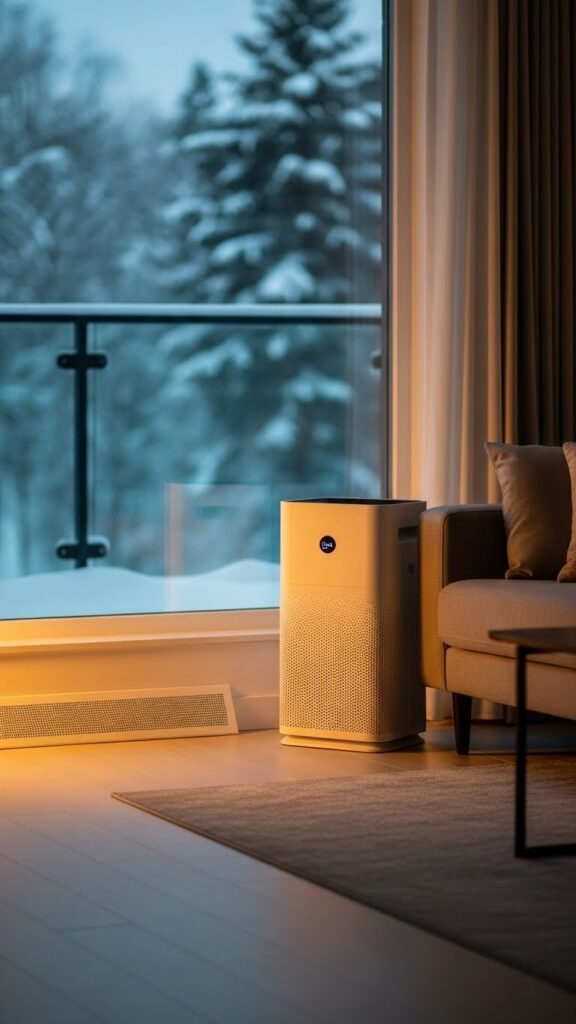
This was one of the biggest game-changers for me. I used to assume air purifiers were unnecessary — until I actually tried one.
A HEPA purifier works by trapping:
- Dust
- Pet dander
- Mold spores
- Winter allergens circulating through heating vents
I noticed a difference in just a few days: less sneezing in the morning and significantly fewer nighttime allergy flare-ups. If you live in an old house or an apartment with older heating systems, an air purifier becomes even more helpful.
5. Drinking Warm Herbal Teas
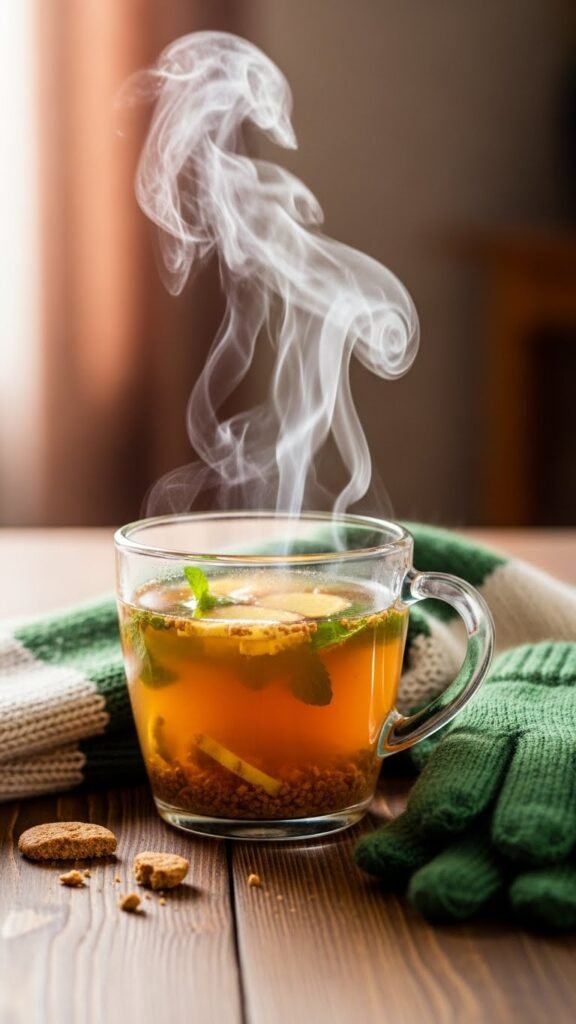
Warm liquids are soothing during winter, but certain herbal teas help with allergy relief, too.
The ones I rely on the most include:
- Peppermint tea – clears nasal passages
- Ginger tea – reduces inflammation
- Chamomile tea – calms itchy throat
- Turmeric tea – great for sinus swelling
I personally drink peppermint-ginger tea almost every evening. It’s comforting and noticeably helps with sinus congestion.
6. Taking Warm Showers to Open Airways
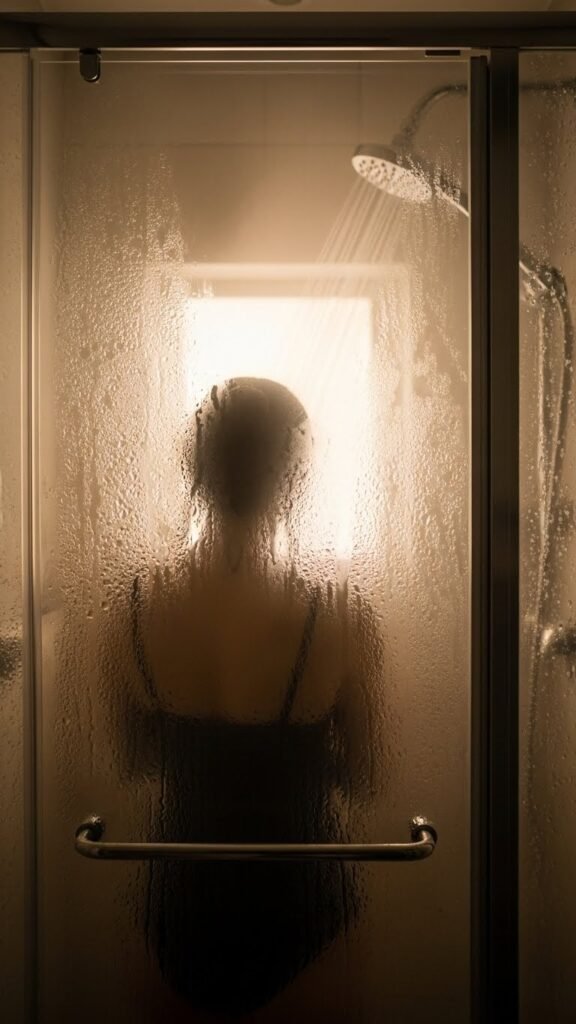
Warm showers in the winter aren’t only relaxing — the steam actually helps ease allergy symptoms. Whenever my nose feels clogged and itchy, I stand in a warm shower and breathe deeply for a minute or two.
Steam helps loosen:
- Mucus
- Dust stuck in nasal passages
- Dry crustiness from winter air
It’s simple, free, and works almost instantly for me.
7. Natural Remedies: Honey + Turmeric

Two ingredients I always have on hand during winter: raw honey and turmeric.
I usually take a small teaspoon of raw honey in the morning when I’m dealing with constant throat irritation. It coats the throat and reduces itchiness.
Turmeric, on the other hand, tackles the inflammation that makes allergy symptoms feel heavy and irritating. I mix it into warm milk or tea at night.
This combination has given me surprisingly consistent relief over the years.
8. Keeping Pets Groomed (If You Have Them)

Winter means pets also spend more time indoors — and so does their dander. I learned this the hard way. My allergies skyrocketed, and it took me weeks to realize it was due to pet hair buildup inside the house.
Now I follow a simple routine:
- Brush pets outside
- Wash their bedding weekly
- Vacuum fur from carpets frequently
- Use lint rollers on furniture
If you love your pets but hate the dander, these little steps add up fast.
9. Wearing a Mask While Cleaning
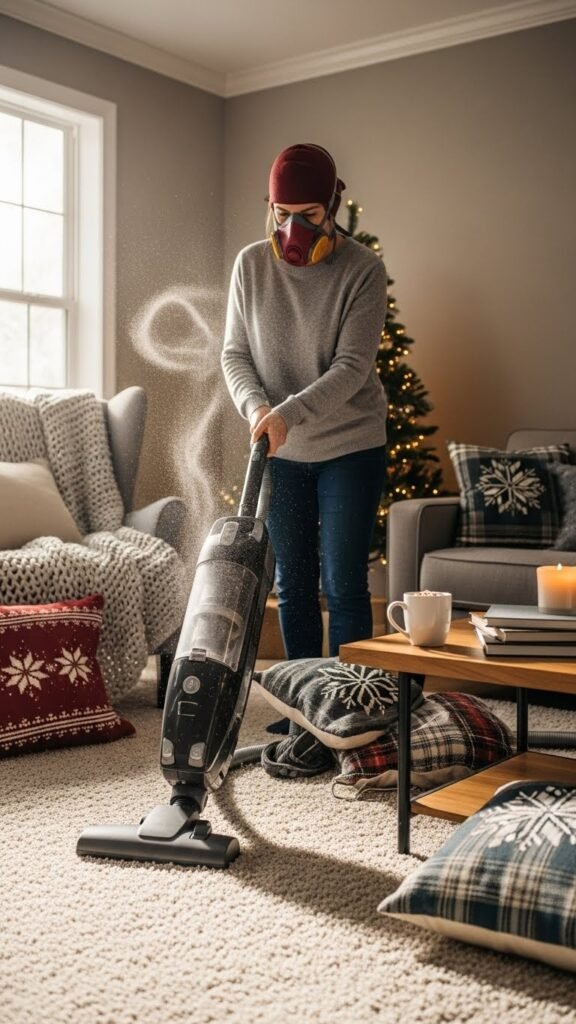
Whenever I start dusting or vacuuming, allergens instantly rise into the air. I used to get sneezing fits right in the middle of cleaning — until I tried wearing a simple mask.
It may feel silly at first, but the difference is huge.
My sneezing stopped.
No more itchy eyes.
No more running nose while cleaning.
It protects you from stirring up all the dust mites and allergens hiding around your home
10. Switching to Winter-Friendly Skincare to Reduce Skin Allergies
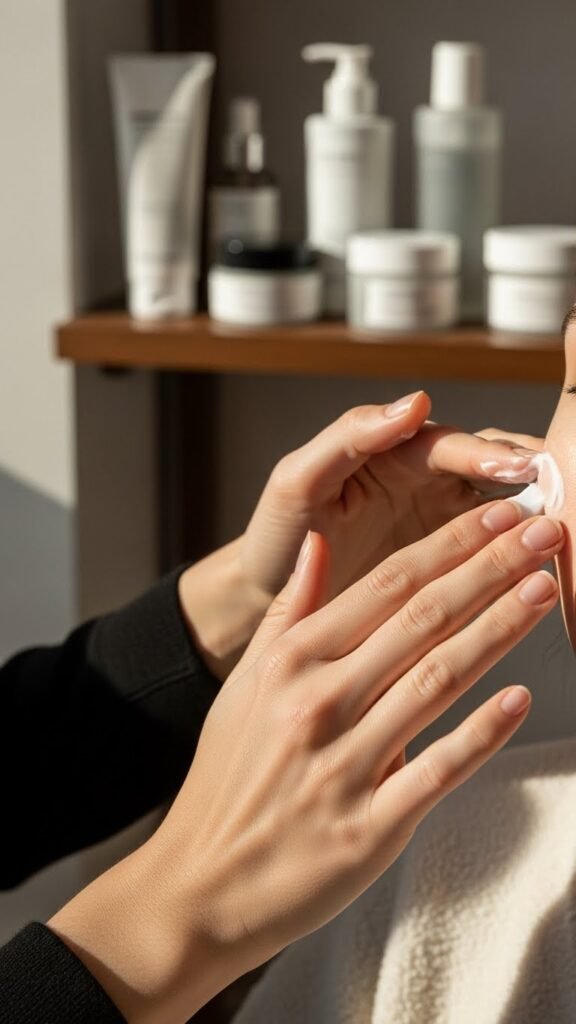
Winter allergies don’t just hit the nose they hit the skin, too. My skin becomes itchy, red, and irritated from dry winter air and allergens.
What helps me:
- A gentle hypoallergenic moisturizer
- Avoiding hot water on the face
- Using a fragrance-free cleanser
- Applying an overnight moisturizing cream
Keeping the skin barrier strong helps prevent allergic reactions from flaring up.
My Two Trusted Amazon Products for Winter Allergy Relief
Here are the only two products that genuinely helped me and that I confidently recommend:
1. LEVOIT Core Mini HEPA Air Purifier
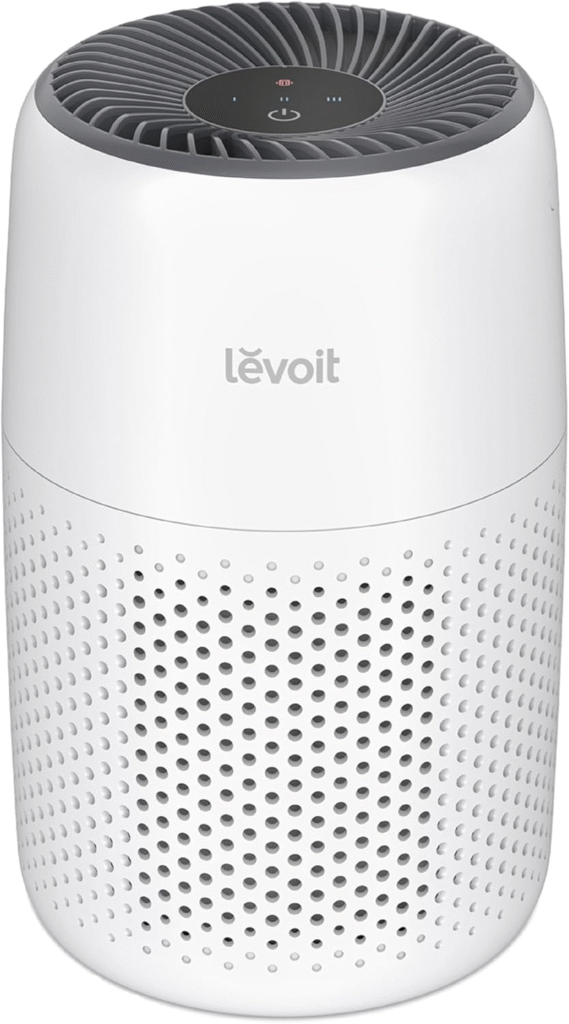
This little purifier was the first one I tried, and it made a noticeable difference in under a week. My air felt fresher, and my morning congestion reduced significantly.
It’s compact, quiet, and perfect for bedrooms especially during winter when the heater spreads dust around.
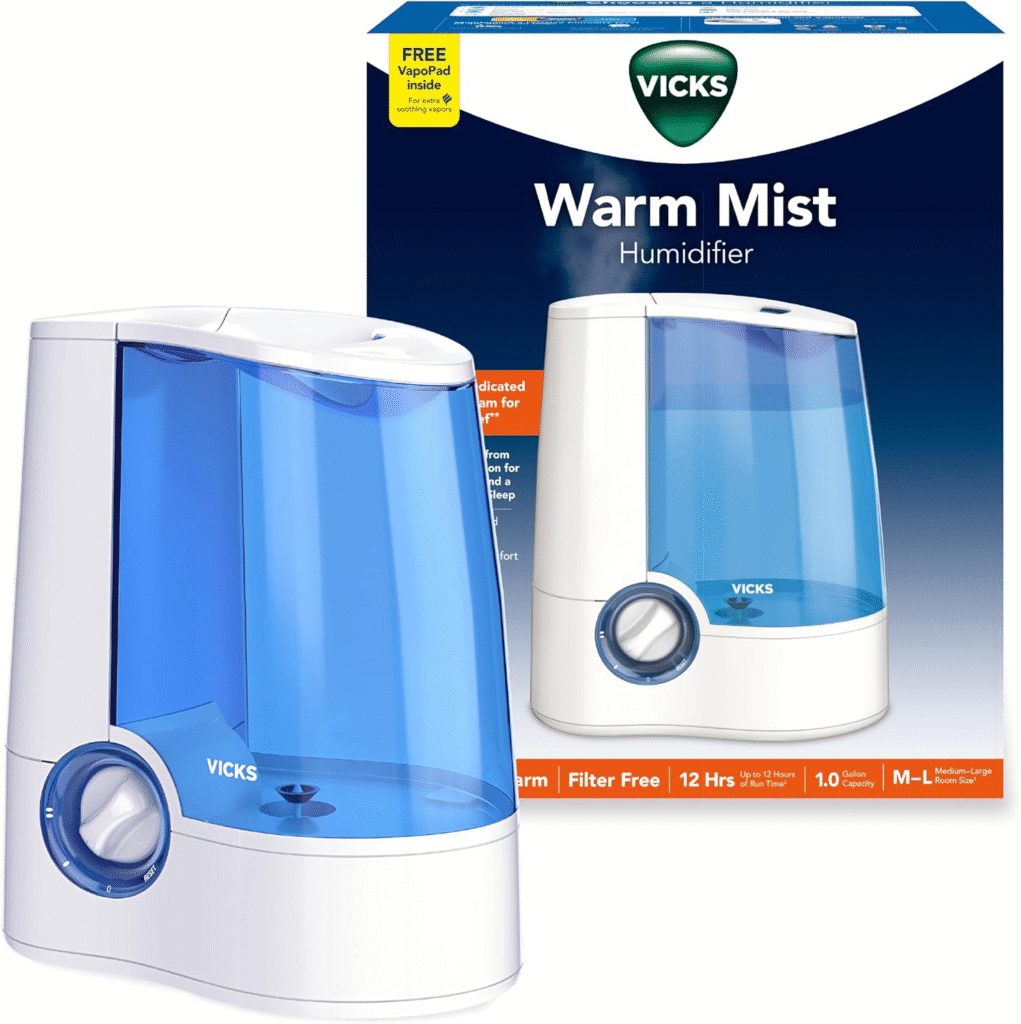
2. Vicks Warm Mist Humidifier
This humidifier is my winter essential. It keeps the room moist, which helps with dry sinuses, nighttime coughing, and scratchy throat allergies. I love that it’s simple to clean, and the warm mist feels comforting on winter nights.
Final Thoughts
Winter allergies are real, persistent, and incredibly frustrating but they’re manageable. After years of trial and error, these 10 remedies have become part of my everyday winter routine. They’re simple, natural, and genuinely effective.
If you deal with winter allergies too, I hope my personal experiences help guide you toward relief that actually works.